Economic Update | Mar 25, 2026
Hosted by Andrew Toccaceli, RICP®, MRFC® and Coley Neel, CFA® | W.A. Smith Financial Group


Get a clear look at what you’re paying and how much risk you’re taking. This complimentary review helps identify your portfolio’s costs, risk exposure, and opportunities to better align your investments with your goals — all with no obligation.
Get Started
In today’s increasingly digital world, financial fraud has become more sophisticated, more organized, and more prevalent than ever before. Cybercriminals are no longer lone actors operating at random; they are part of highly coordinated networks with clear financial motives. As technology evolves, so do the tactics used to exploit individuals, making it critical for consumers to stay informed and proactive in protecting their personal and financial information.
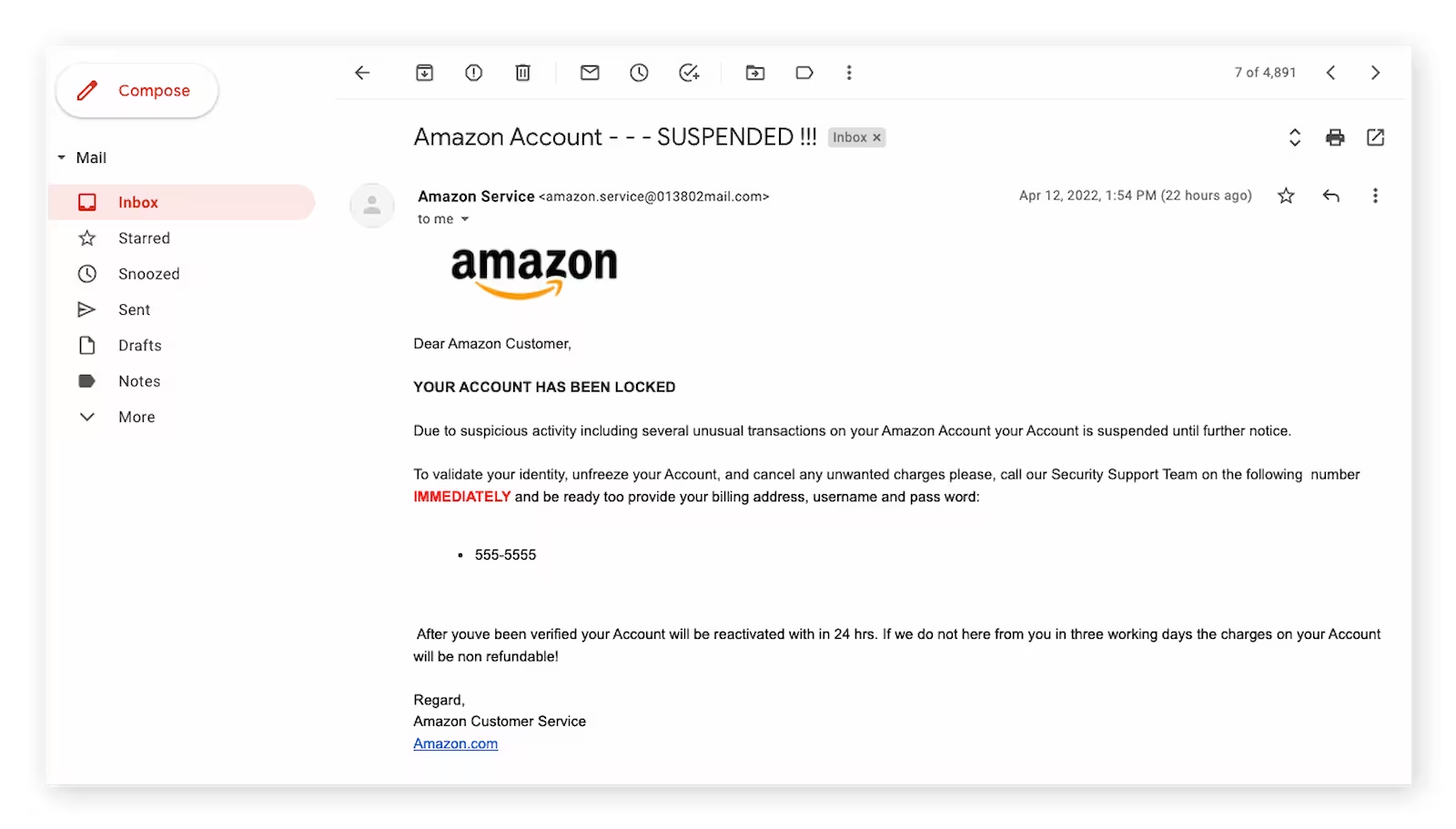
Definition: Fraudulent emails designed to appear as though they are from legitimate companies (e.g., Amazon, Netflix, banks) to trick individuals into sharing sensitive information.
Example: You receive an email stating your Amazon account has been locked and must “verify your identity” by clicking a link and entering your login details.
Potential Impact: Stolen passwords, unauthorized purchases, or full account takeover.
Prevention:
• Do not click on suspicious links or attachments
• Verify emails by going directly to the company’s official website
• Use multi-factor authentication (MFA)
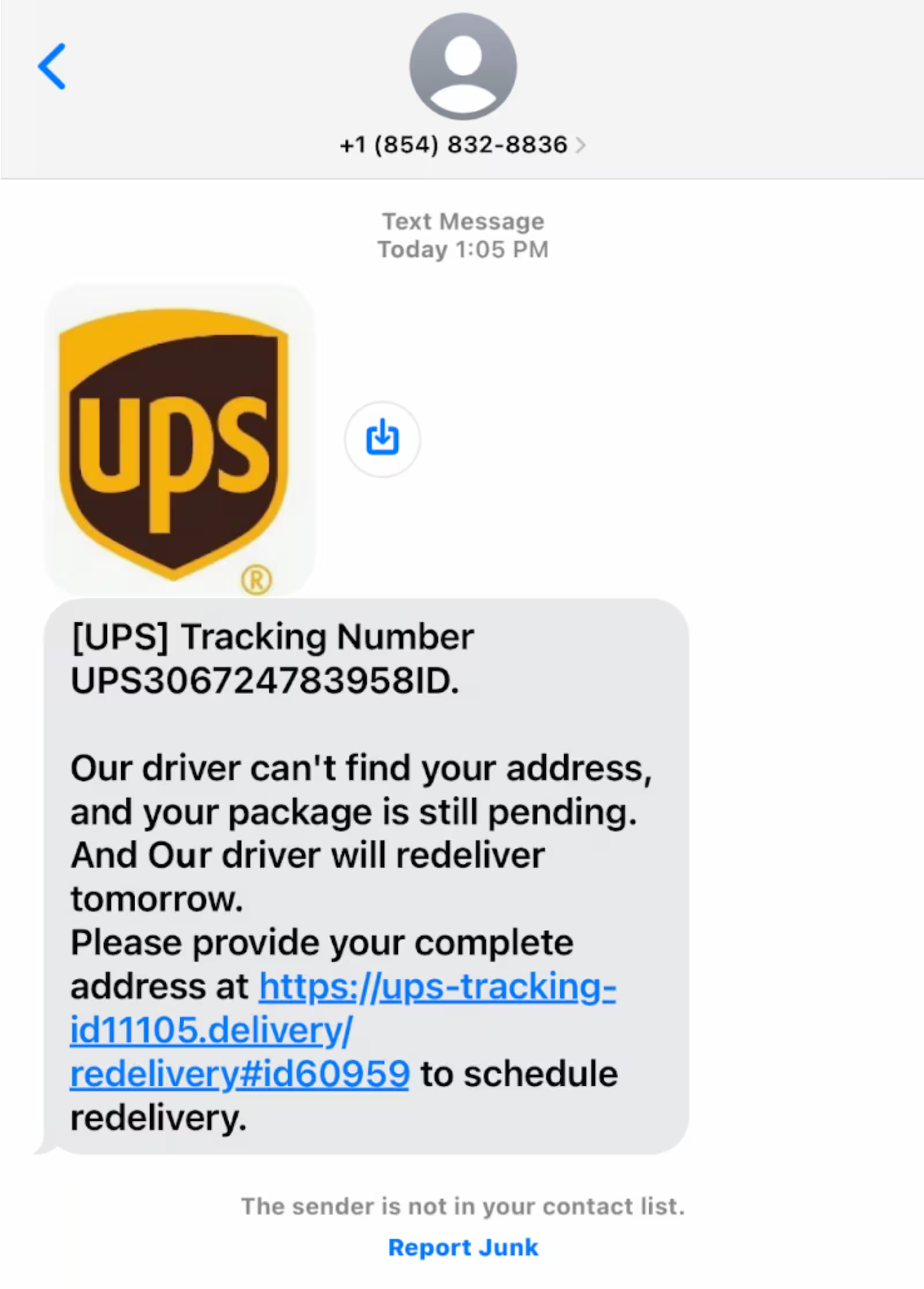
Definition: Fraudulent text messages that attempt to trick individuals into clicking malicious links or sharing personal information.
Example: A text claims there is an issue with a package delivery and provides a link to “resolve” it.
Potential Impact: Malware installation, stolen personal data, or financial account compromise.
Prevention:
• Avoid clicking links from unknown numbers
• Do not respond to unsolicited messages requesting information
• Block and report suspicious texts
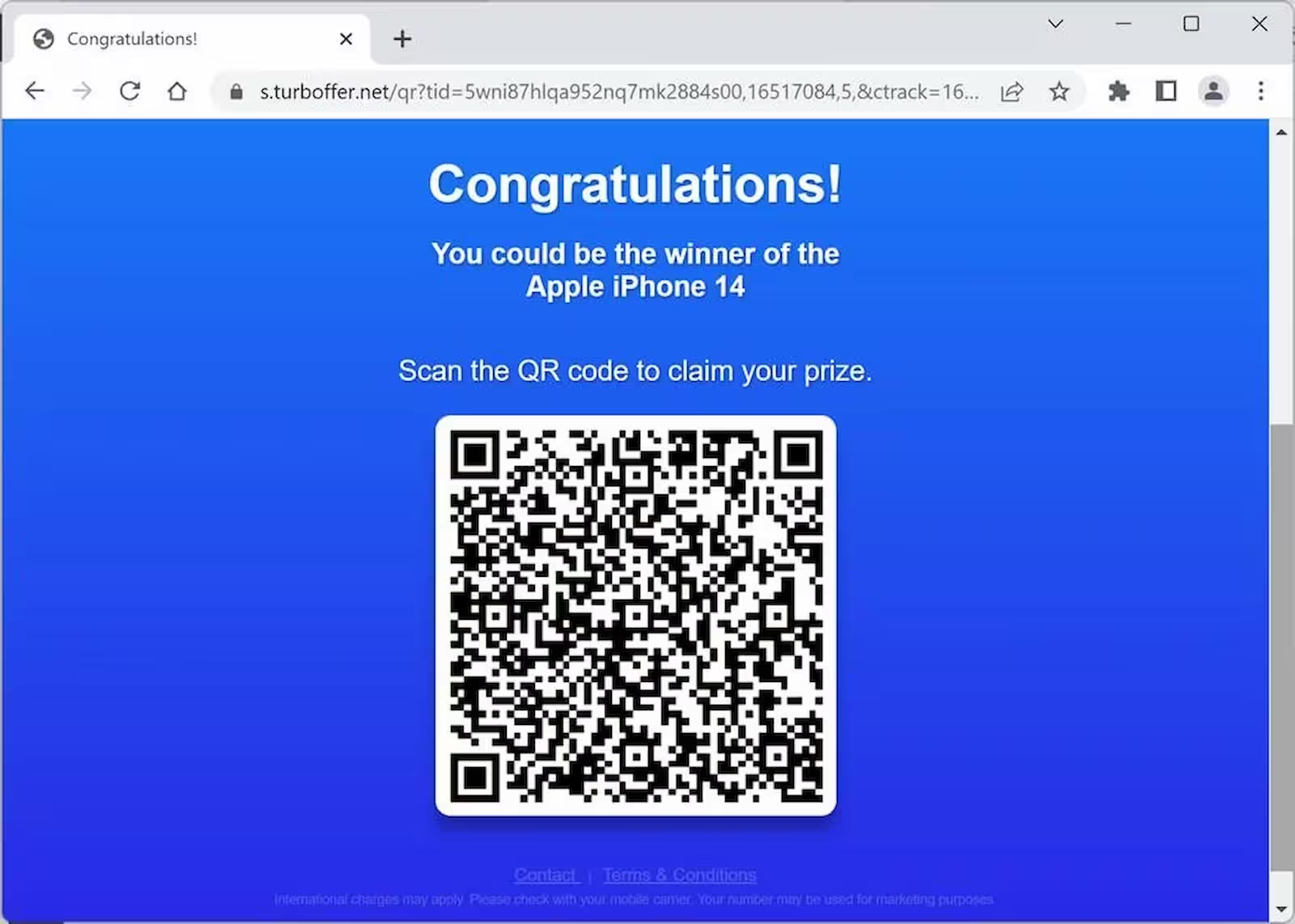
Definition: Malicious QR codes that redirect users to fraudulent websites designed to capture personal or financial information.
Example: A QR code posted in a public place (e.g., parking meter or restaurant) leads to a fake payment page.
Potential Impact: Financial theft, compromised payment information, or malware exposure.
Prevention:
• Only scan QR codes from trusted, verified sources
• Double-check website URLs before entering any information
• Avoid entering sensitive data after scanning unknown codes
Definition: Fraudulent phone calls where scammers impersonate trusted entities such as banks, government agencies, or tech support.
Example: A caller claims to be from your bank’s fraud department, warning of suspicious activity and asking for your account details.
Potential Impact: Unauthorized access to financial accounts, identity theft, or direct financial loss.
Prevention:
• If you do not recognize the number, do not answer the call (This is one of the easiest ways to avoid many of these issues)
• Do not share personal information over unsolicited calls
• Hang up and call the institution directly using an official number
• Be cautious of high-pressure or urgent requests
Definition: Fraudulent schemes involving digital assets that promise high returns with little or no risk.
Example: An online “investment opportunity” guarantees quick profits if you transfer funds into a crypto account.
Potential Impact: Irrecoverable financial losses due to the unregulated and irreversible nature of crypto transactions.
Prevention:
• Be skeptical of guaranteed returns
• Research platforms and verify legitimacy before investing
• Consult a trusted financial professional
Definition: Scammers build emotional relationships online to gain trust and eventually request money.
Example: An individual you met on a dating site claims to be in an emergency and asks for financial help.
Potential Impact: Significant financial loss and emotional distress.
Prevention:
• Be cautious with online relationships that escalate quickly
• Never send money or financial information to someone you have not met in person
• Discuss concerns with a trusted friend or advisor

Definition: Deceptive investment opportunities, including Ponzi schemes or “get-rich-quick” offers, designed to steal money.
Example: A promoter guarantees unusually high returns with no risk and pressures you to act quickly.
Potential Impact: Loss of savings, retirement funds, or long-term financial security.
Prevention:
• Question investments that sound too good to be true
• Verify credentials and registration of advisors or firms
• Take time to research before making decisions
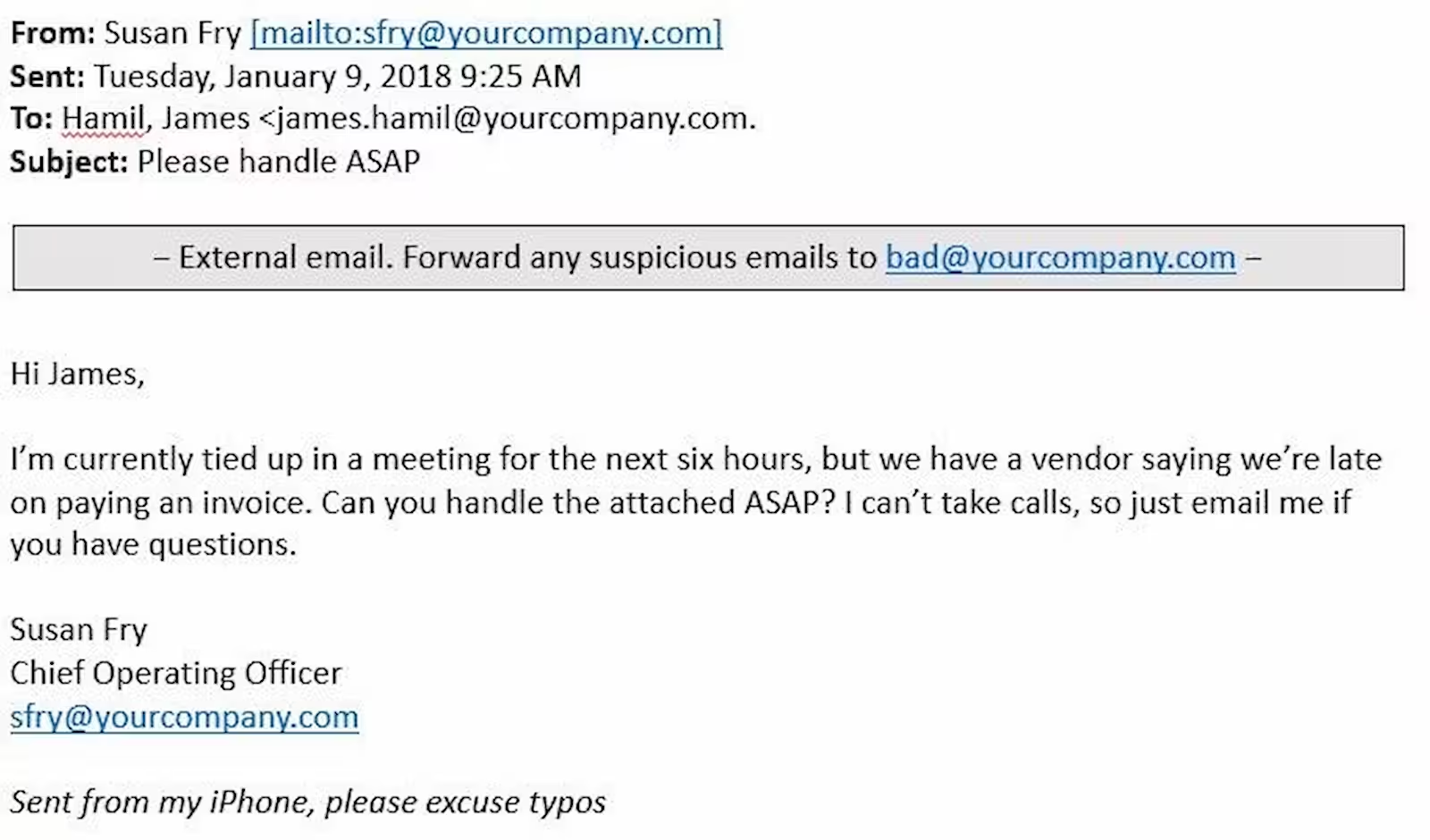
Definition: A scam where criminals impersonate a trusted business contact (advisor, client, vendor, or executive) via email to request funds or sensitive information.
Example: You receive an email that appears to be from your financial advisor requesting an urgent wire transfer for a time-sensitive investment opportunity. The email looks legitimate, but the instructions direct funds to a fraudulent account.
Potential Impact: Significant financial loss, especially since wire transfers are often irreversible.
Prevention:
• Always verify payment or wire instructions using a known phone number
• Be cautious of urgent or last-minute financial requests
• Check email addresses carefully for subtle inconsistencies
Definition: Unauthorized access to your online accounts using stolen login credentials.
Example: A cybercriminal gains access to your email account and uses it to reset passwords for your banking or investment accounts, locking you out while transferring funds.
Potential Impact: Unauthorized transactions, identity theft, and loss of control over financial accounts.
Prevention:
• Use strong, unique passwords for each account
• Enable multi-factor authentication (MFA)
• Regularly monitor accounts for suspicious activity
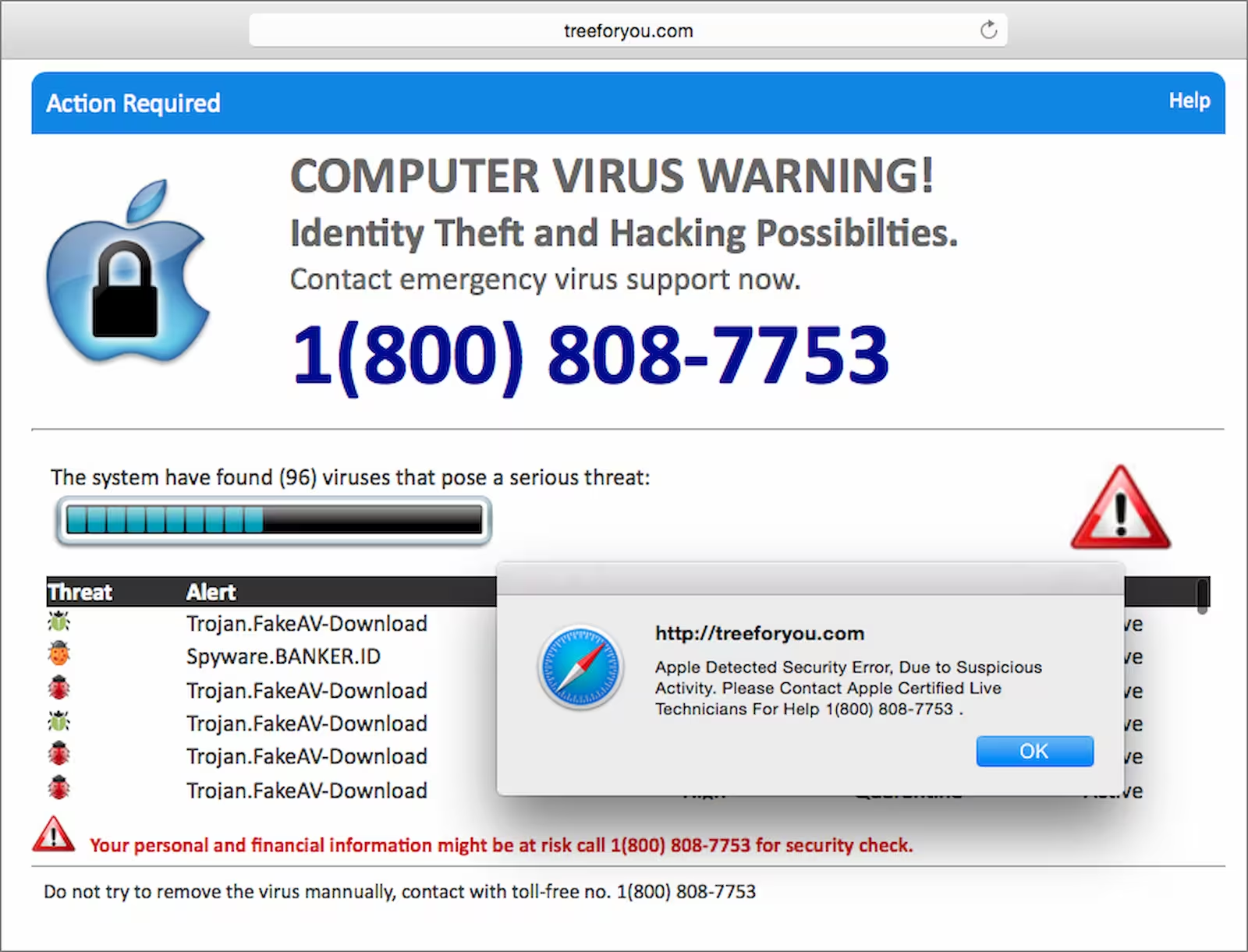
Definition: Fraudsters pose as technical support representatives, claiming your device has been compromised.
Example: A pop-up appears on your computer warning of a virus and instructs you to call a support number. The “technician” then requests remote access and payment to fix the issue.
Potential Impact: Loss of personal data, unauthorized access to accounts, and payment for fraudulent services.
Prevention:
• Do not respond to unsolicited tech support messages
• Never grant remote access to unknown individuals
• Contact official support channels directly if needed
Definition: Theft or alteration of physical checks to redirect funds.
Example: A check you place in your mailbox is stolen, and the recipient's name is altered before being deposited into a fraudulent account.
Potential Impact: Financial loss and potential exposure of bank account information.
Prevention:
• Use secure mail drop locations or electronic payments
• Avoid leaving outgoing mail in unsecured mailboxes
• Monitor bank accounts regularly
Definition: Scammers create fake profiles or hijack real accounts to impersonate trusted individuals or professionals.
Example: You receive a message on social media from someone posing as a friend or financial professional promoting a “guaranteed” investment opportunity.
Potential Impact: Financial loss, compromised personal information, and increased exposure to future scams.
Prevention:
• Verify identities before engaging or sending money
• Be cautious of unsolicited financial offers
• Limit personal information shared publicly
Definition: Advanced scams where criminals use Artificial Intelligence to mimic a person’s voice, likeness, or communication style to impersonate someone you trust.
Example: You receive a phone call that sounds exactly like your child or grandchild, claiming they are in an emergency and need money immediately.
Potential Impact: Immediate financial loss due to panic-driven decisions, as well as emotional distress and loss of trust.
Prevention:
• Establish a pre-arranged family code word to verify identity during emergencies
• Pause and verify requests by contacting the individual directly through a known number
• Be cautious of urgent requests involving money or sensitive information
• Limit publicly available audio/video content when possible
This list of threats is likely not exhaustive, but we believe that it is important to discuss the impact of financial fraud, which can be severe and far-reaching. Victims may experience direct monetary loss, damaged credit, and, in some cases, identity theft that takes years to fully resolve.
Beyond the financial consequences, there is also a significant emotional toll, including stress, embarrassment, and a loss of trust. Because many scams rely on urgency and emotional manipulation, taking a moment to pause and verify can make a meaningful difference.
Fortunately, there are practical steps individuals can take to reduce their risk. Using strong, unique passwords and avoiding reuse across accounts helps limit exposure in the event of a breach.
Enabling multi-factor authentication (MFA) provides an additional layer of protection and is strongly recommended wherever available.
Keeping devices and software updated helps ensure known security vulnerabilities are patched, while locking your credit card can prevent unauthorized accounts from being opened in your name.
As financial fraud continues to evolve, awareness and proactive protection remain your strongest defenses. Taking small, consistent steps to safeguard your information can significantly reduce risk.
Ultimately, protecting your identity and finances is not just about avoiding loss; it is a critical component of maintaining true Financial Peace of Mind.
We hope that you are doing well and look forward to seeing you again soon!