Economic Update | Oct 27, 2026
Hosted by Andrew Toccaceli, RICP®, MRFC® and Coley Neel, CFA® | W.A. Smith Financial Group


Get a clear look at what you’re paying and how much risk you’re taking. This complimentary review helps identify your portfolio’s costs, risk exposure, and opportunities to better align your investments with your goals — all with no obligation.
Get Started
As we approach the November midterm elections, political headlines are likely to become an increasingly important part of the daily news cycle. With control of Congress at stake, there will undoubtedly be considerable discussion about what the results could mean for the economy, financial markets, and the direction of government policy over the next two years.
While elections can create uncertainty and periods of market volatility, history provides perspective that we believe is worth keeping in mind.
One of the more interesting trends surrounding midterm elections is how financial markets have historically performed before and after Election Day.
According to research from Fidelity, the S&P 500 has generated positive returns in approximately 95% of the 12-month periods following midterm elections since 1938, with an average gain of approximately 14%.
While past performance certainly does not guarantee future results, the historical pattern suggests that the uncertainty leading up to an election can sometimes be more disruptive to markets than the actual outcome.
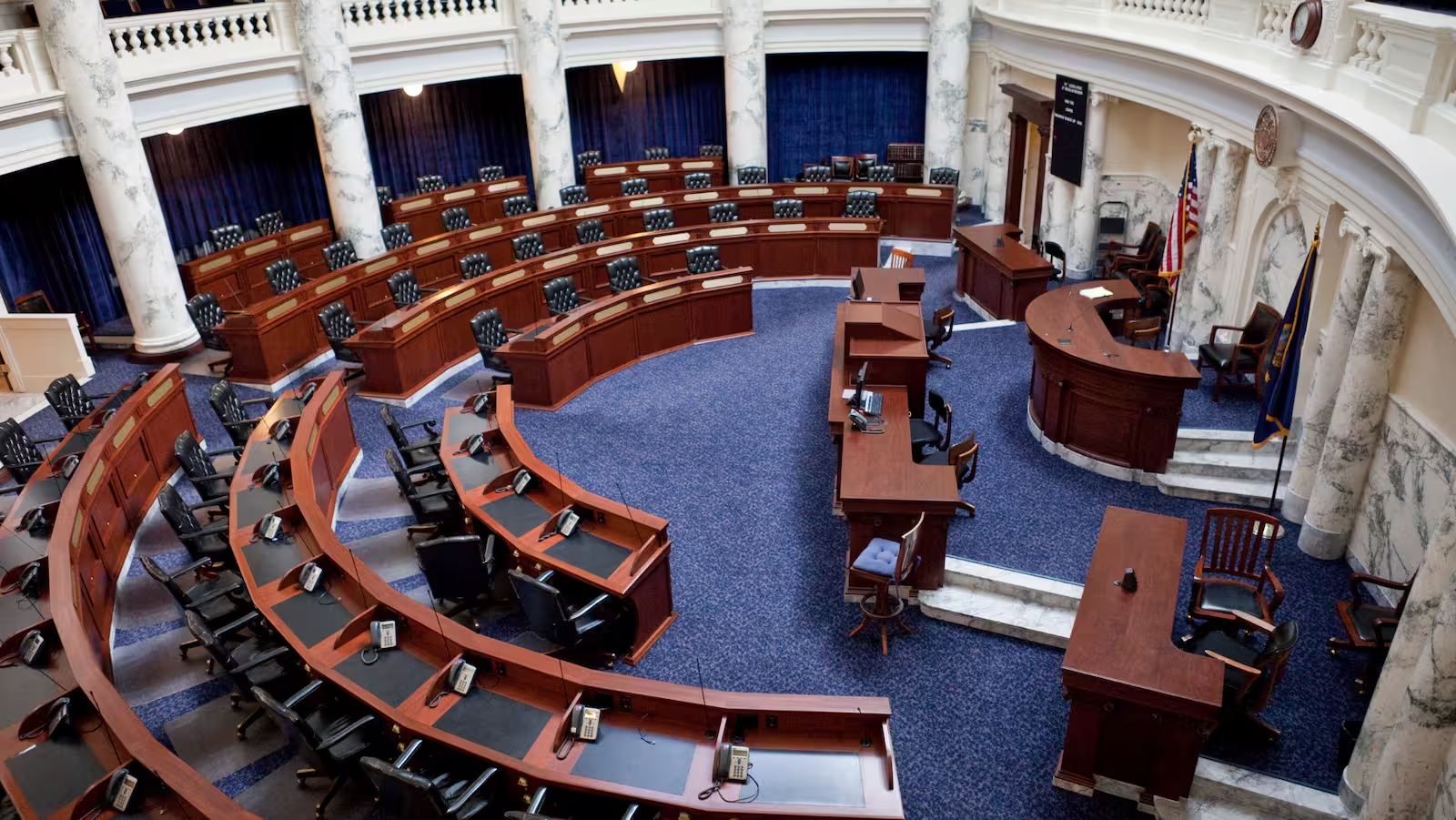
This brings us to a question that frequently comes up during election years: What happens if the party controlling Congress is different from the party occupying the White House?
It may be surprising, but a divided government has not necessarily been a negative for financial markets.
Research from Invesco shows that economic growth has been relatively consistent under both unified and divided governments, while stocks have experienced periods of strong performance under different political arrangements.
One potential explanation is that divided government can make significant legislative changes more difficult, which may provide businesses and financial markets with greater consistency when making longer-term decisions.
There are, however, both positives and negatives to consider.
A divided Congress could limit the passage of additional spending programs or major tax changes, potentially reducing some of the concerns surrounding federal deficits and inflation.
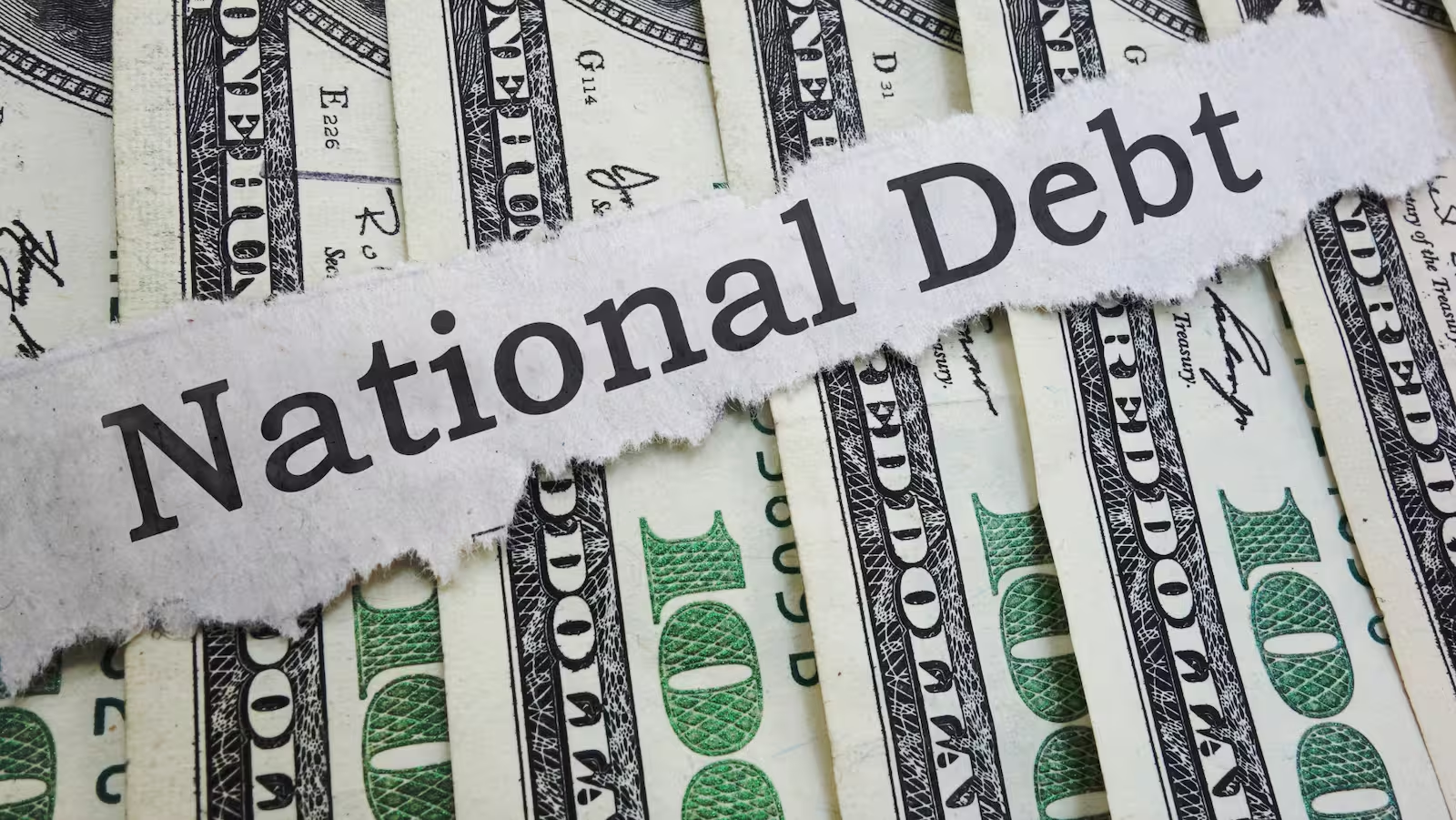
With government debt and Treasury borrowing costs already receiving considerable attention, greater fiscal restraint could be viewed favorably by the bond market.
On the other hand, disagreements over federal spending, government funding, or the debt ceiling could create additional uncertainty and periods of volatility.
The political makeup of Congress may influence policy, but it does not determine market outcomes on its own.
If Republicans retain control of both chambers, the administration may have greater flexibility to pursue its existing tax, spending, and regulatory priorities. That could support certain areas of business investment and economic activity, although additional spending or larger deficits could also keep pressure on longer-term interest rates upward.
If Democrats gain control of one or both chambers, the legislative process could become more restrictive, with greater emphasis on negotiation, oversight, and compromise.
Neither outcome, by itself, determines whether the economy or financial markets will perform well.

As we look toward the remainder of 2026 and into 2027 and 2028, we believe there are issues that will deserve particular attention.
Federal spending and the national debt will remain important, especially given the impact that higher interest rates have on the government's borrowing costs.
Tax policy, regulation, trade policy, and infrastructure spending could also influence business investment and corporate profitability. Depending on the composition of Congress, some proposals may move forward more easily, while others may face additional obstacles.
The economy does not stop moving simply because an election takes place.
Consumer spending, employment, inflation, corporate earnings, and Federal Reserve policy will continue to influence markets regardless of which party controls Congress.
In many cases, these economic fundamentals have had a much greater impact on long-term market performance than election results themselves.
For that reason, we do not believe making significant investment decisions based solely on an anticipated election outcome is a particularly effective strategy.
Markets have performed well under Republican and Democratic administrations, as well as during periods of divided government.
We may see changes in which industries benefit from government policies, but that is different from assuming that the overall market must rise or fall depending on which party gains control.
As we move through the final months of 2026, we will continue to monitor the election and its potential implications for taxes, government spending, inflation, and interest rates.
We expect political headlines to remain prominent, but our focus will be on separating short-term market reactions from changes that could have a lasting impact on the economy and our portfolios.
We recognize that elections can create uncertainty, particularly when the political environment becomes increasingly divided.
However, our responsibility is not to predict election results or allow political headlines to dictate investment decisions.
It is to evaluate the economic environment, identify potential risks and opportunities, and make thoughtful decisions consistent with your long-term financial objectives.
Our mission is for you to spend more time focusing on your life and less time worrying about your money.
Regardless of what November brings, our mission remains the same: to provide you and your family with Financial Peace of Mind.
We hope that you are having a wonderful fall and look forward to seeing you again soon.