Economic Update | Oct 12, 2026
Hosted by Andrew Toccaceli, RICP®, MRFC® and Coley Neel, CFA® | W.A. Smith Financial Group


Get a clear look at what you’re paying and how much risk you’re taking. This complimentary review helps identify your portfolio’s costs, risk exposure, and opportunities to better align your investments with your goals — all with no obligation.
Get Started
September closed a third quarter defined by sharp changes in market leadership. Value, energy, and international equities led at the quarter’s outset; participation broadened in August; and September narrowed decisively toward large-cap technology.
The longer-term market trend remained constructive, but higher interest rates, persistent inflation, and rising energy costs created a more demanding environment for investors entering the fourth quarter.
Equity performance became increasingly selective during September. The Nasdaq advanced as artificial-intelligence and technology leaders regained momentum, while the S&P 500 and Russell 1000 weakened modestly. International equities, the Dow, and small-company stocks experienced greater pressure.
The equal-weighted S&P 500 also lagged the capitalization-weighted index, showing that a limited group of large companies supported the headline market.
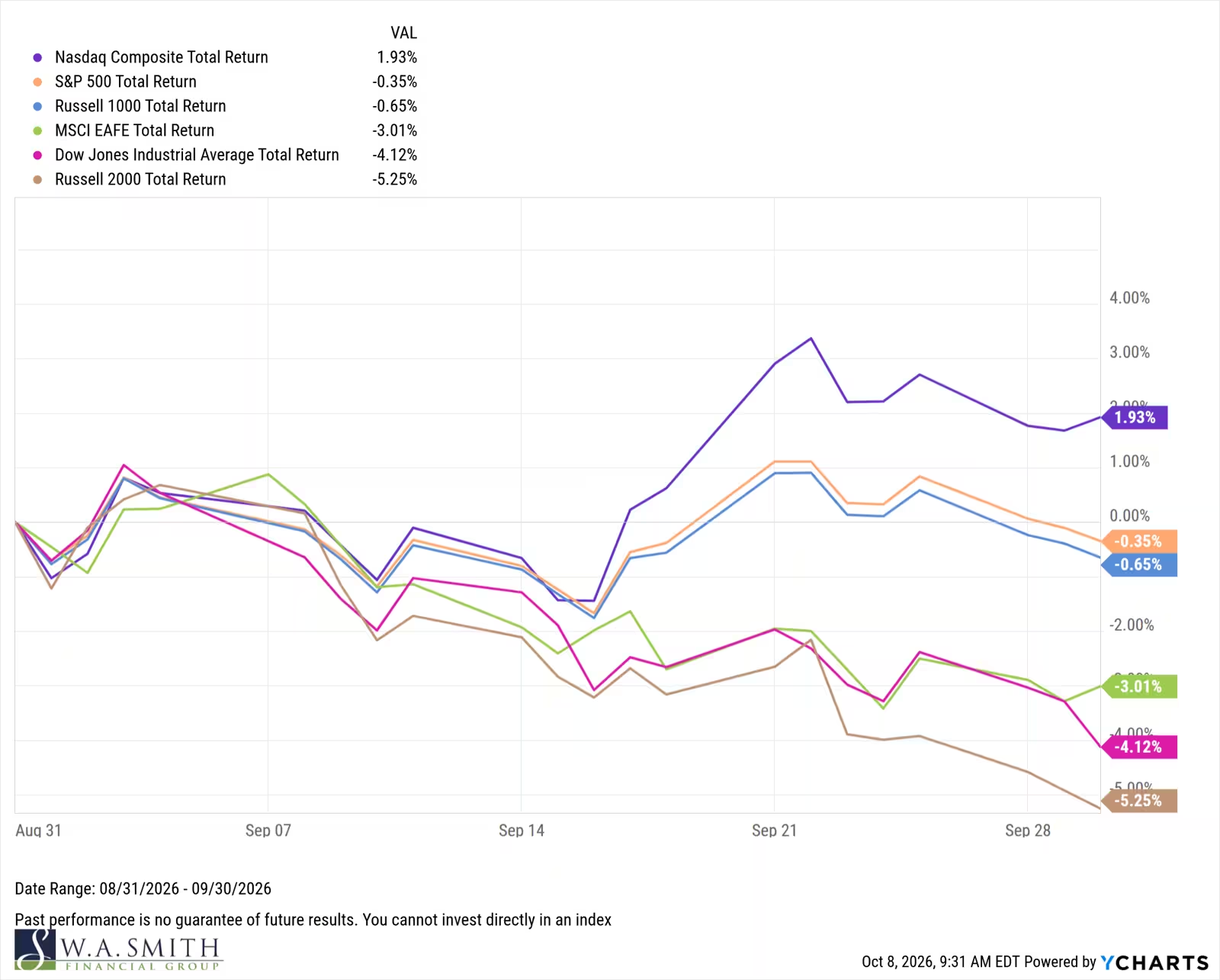
Narrow leadership can persist, but it increases concentration risk and dependence on a small number of companies.
Style and sector results reinforced the same message. Large-cap growth was the only major style category in our review to advance during September, while value and both small-cap styles declined.
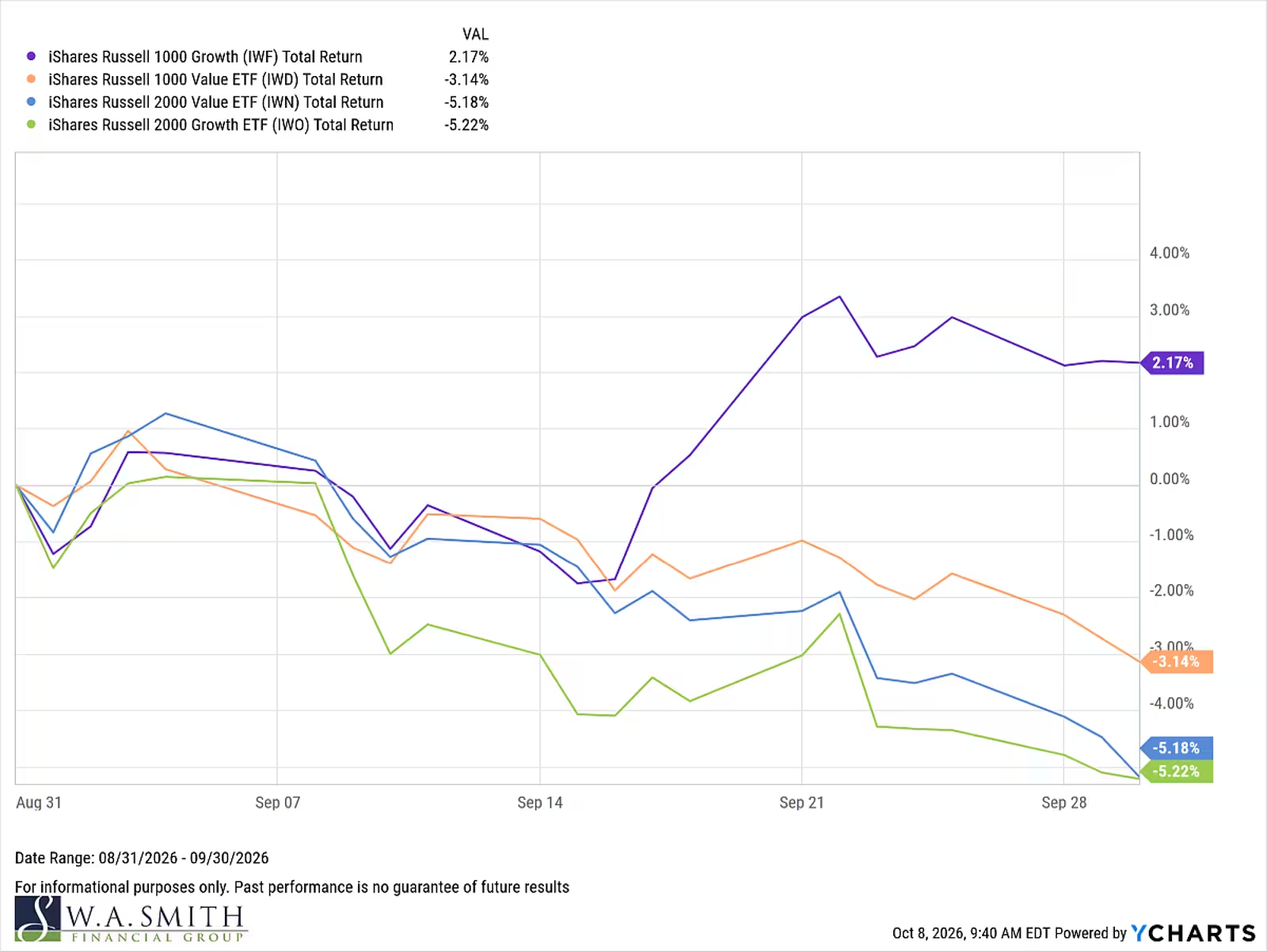
Technology was the only sector to post a meaningful gain; Communication Services and Health Care were approximately flat, and the remaining sectors weakened.
Over the full quarter, leadership rotated from July’s value and energy strength to August’s broader advance and September’s technology concentration.
Artificial intelligence remains an important long-term opportunity, but the quarter demonstrated why selectivity matters.
Demand for data centers, semiconductors, cloud infrastructure, and related equipment remains strong. At the same time, substantial capital spending, elevated valuations, and uneven company results have increased expectations for measurable returns on investment.
We continue to evaluate each opportunity through the lenses of valuation, execution, competitive advantage, and cash-flow durability.
The labor market ended the quarter on softer footing. September payroll growth slowed to 29,000, unemployment increased modestly to 4.2%, and labor-force participation remained at 61.8%, below its longer-term average.
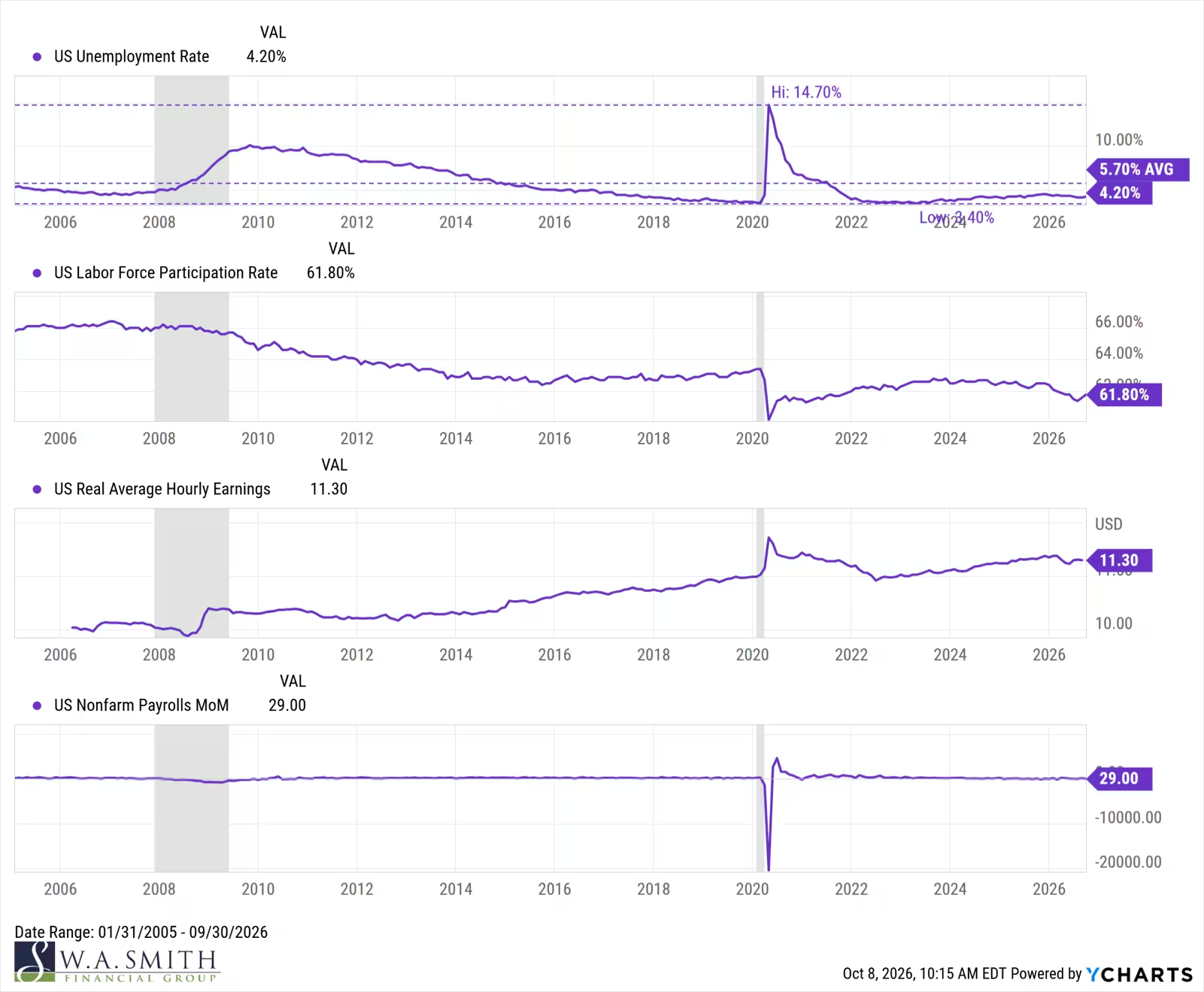
Real wage growth continued to support workers who remain employed, but weaker hiring reduces the economy’s margin for error.
Across the quarter, payroll results were uneven, moving from contraction in July to a stronger August and then slowing again in September.
Inflation also remained uneven. Core consumer inflation moderated, but headline inflation and both PCE measures stayed above the Federal Reserve’s objective.
Producer prices remained elevated, indicating continued cost pressure within supply chains.
In response, the Federal Reserve raised its target range by one-quarter percentage point in September, bringing the upper limit to 4.00% and reinforcing the likelihood that policy will remain restrictive until inflation improves more broadly.
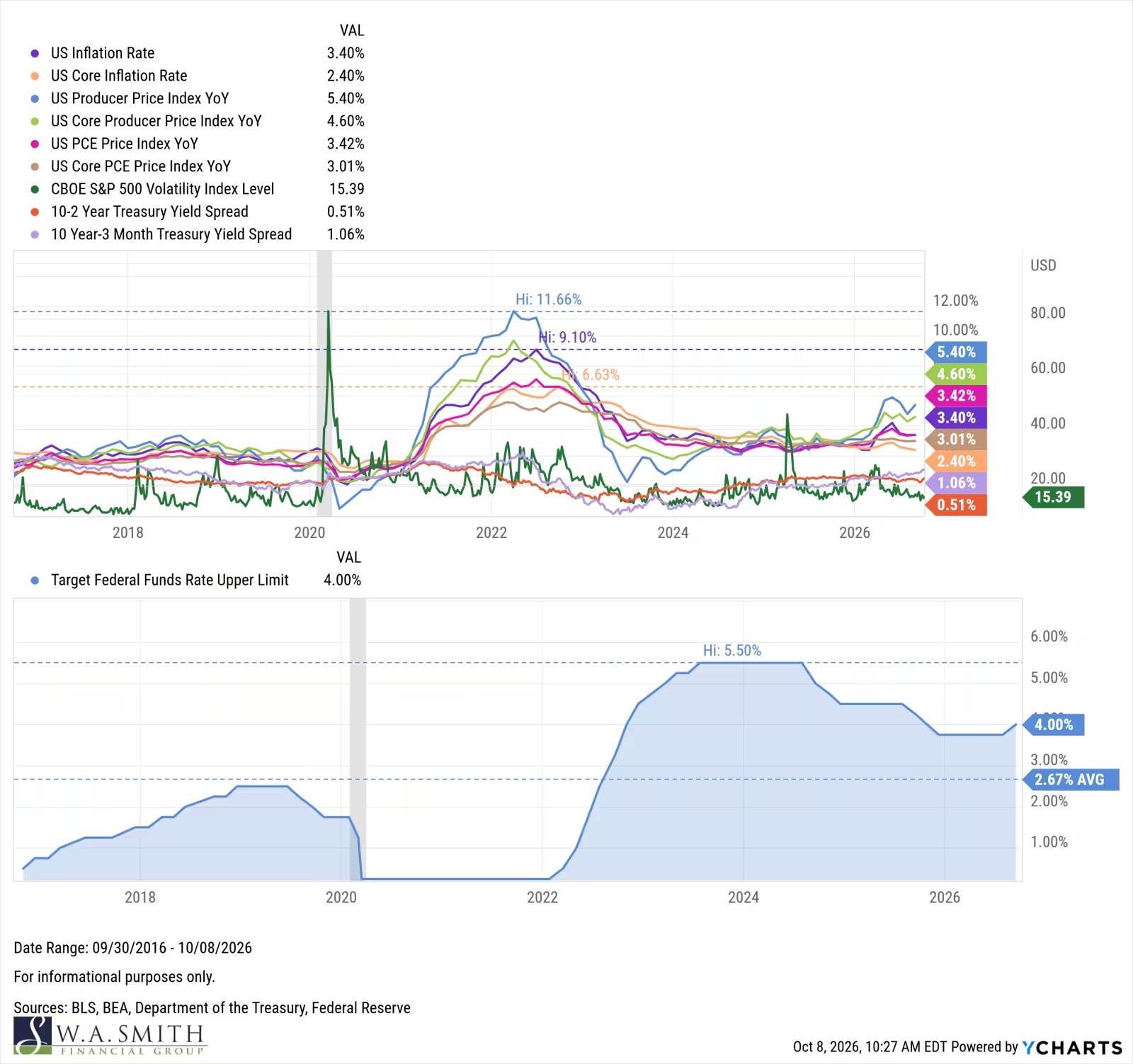
Treasury yields rose sharply as investors absorbed persistent inflation, resilient economic activity, elevated government borrowing, and higher term premiums.
By quarter-end, the curve was positively sloped and long-term yields had risen materially above short-term rates.
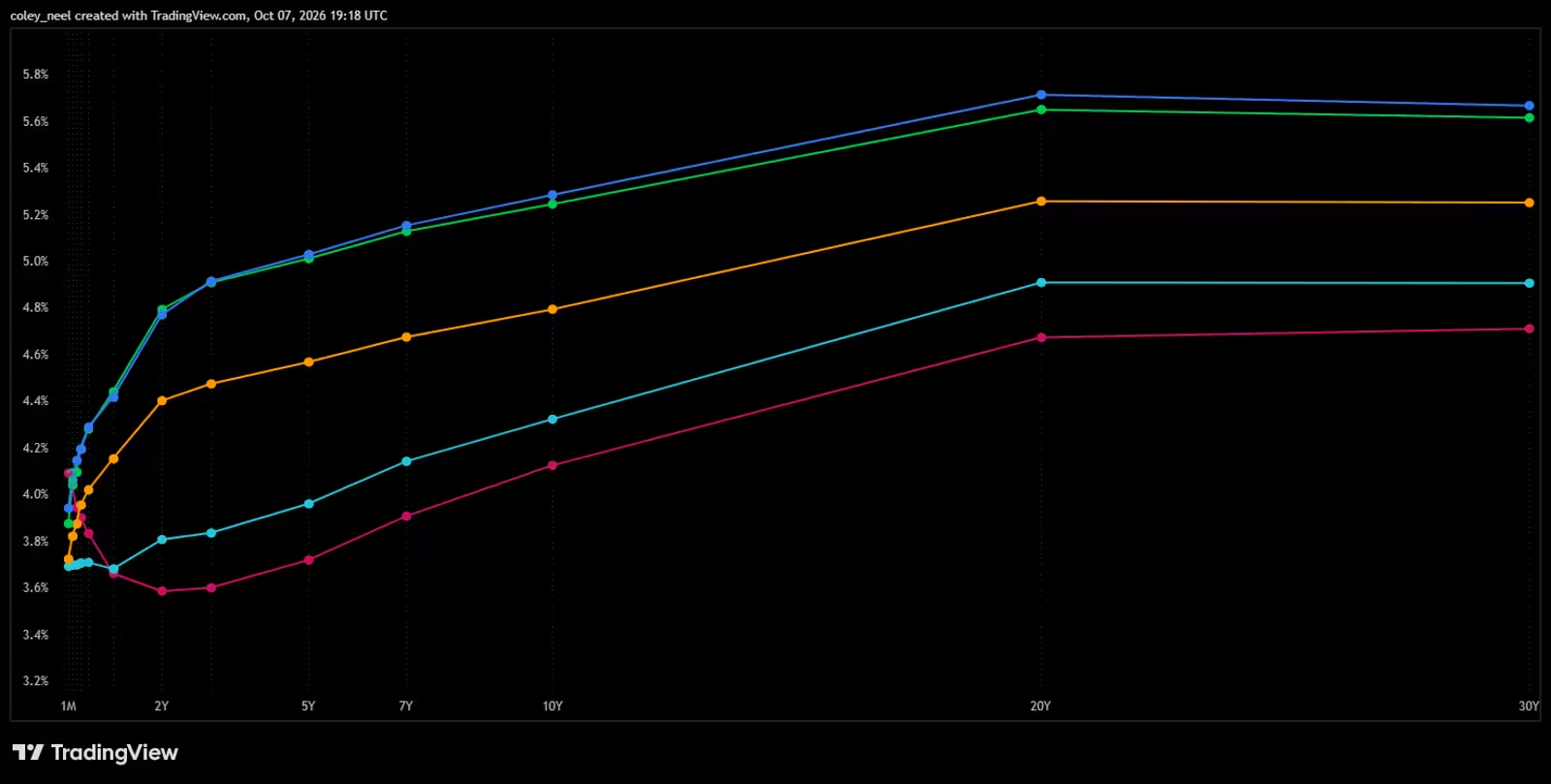
Higher yields increase mortgage, corporate, and government borrowing costs, but they also improve the income available from high-quality bonds.
We continue to favor a measured approach to duration, balancing current income with sensitivity to additional rate increases.
Housing is increasingly reflecting those higher financing costs. The 30-year mortgage rate reached 7.28% and the 15-year rate climbed to 6.60%, reducing affordability and purchasing power.
Existing-home prices remained relatively resilient because owners with low-rate mortgages were reluctant to sell, limiting supply.
New-home prices adjusted more noticeably as builders used smaller homes, price reductions, and financing incentives to support demand.
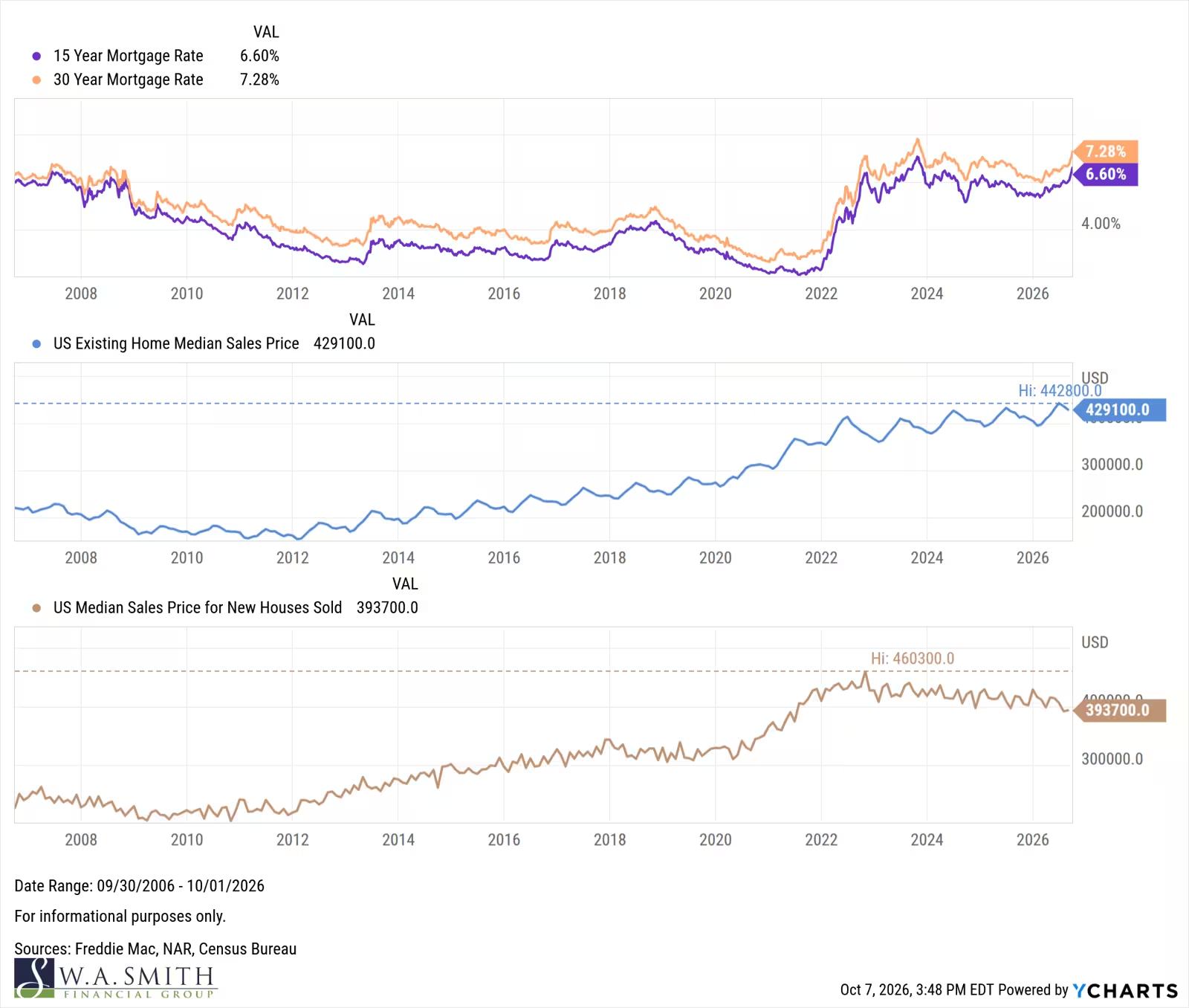
Housing stress may therefore appear more clearly in transaction and construction activity than in existing-home prices.
Energy markets added another source of inflation and geopolitical risk. Brent crude rose above $125 per barrel while WTI reached approximately $96, creating an unusually wide premium for the seaborne benchmark.
The spread reflects an expanding war premium tied to the Iran conflict, the Strait of Hormuz, tanker security, and potential export disruptions.
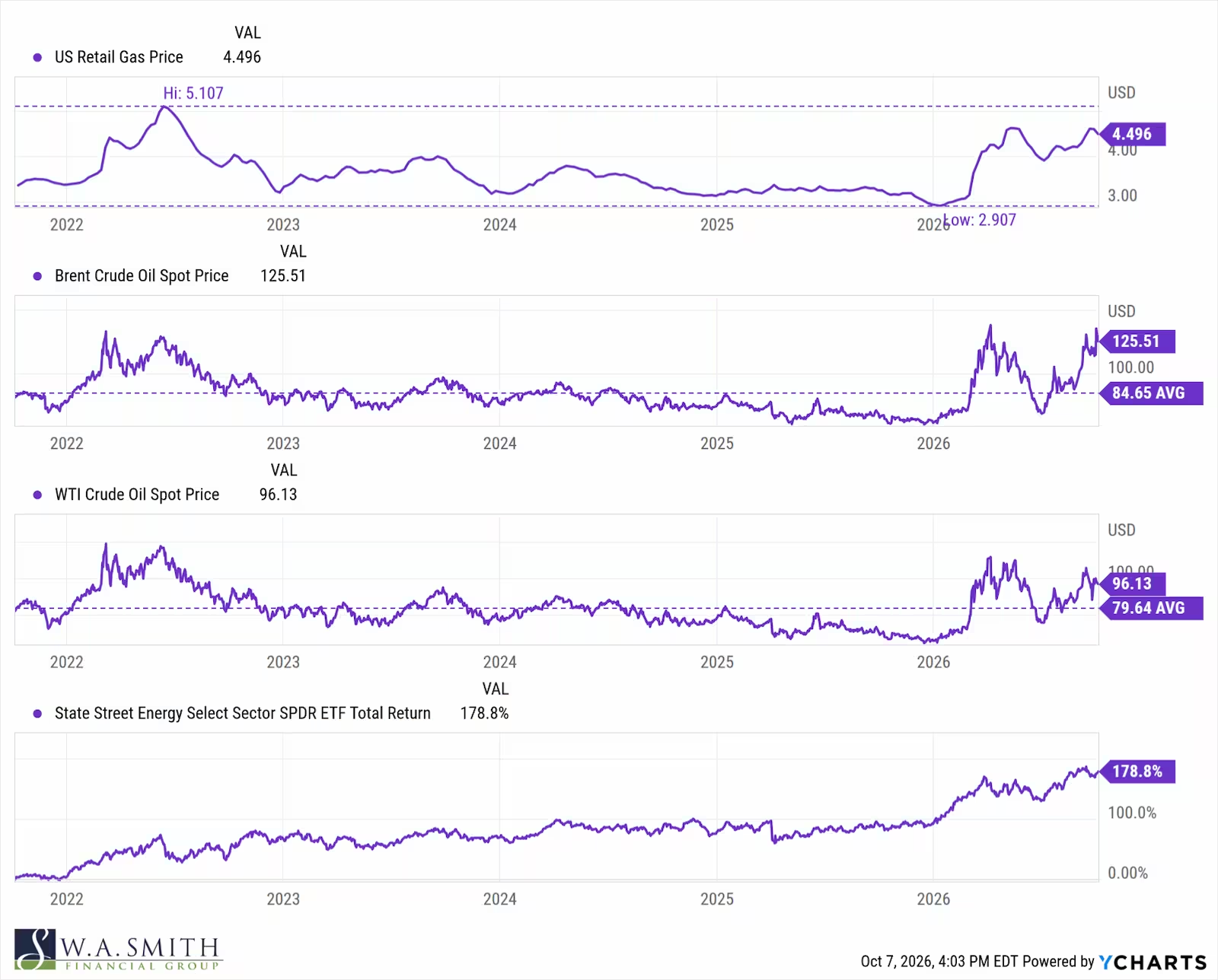
Higher oil prices supported energy companies during the quarter, but prolonged strength could pressure household spending, corporate margins, and the path of monetary policy.
The third quarter as a whole reinforced the value of diversification and disciplined security selection.
Leadership changed repeatedly across styles, sectors, and market capitalizations, while long-term yields, mortgage rates, and oil prices moved higher.
The quarter also showed that a positive headline index can mask weaker participation beneath the surface.
These conditions favor portfolios built around multiple sources of return rather than dependence on a single sector or investment theme.
As we have said many times before, our primary objective is to provide you with Financial Peace of Mind.
Markets will rotate, and economic reports will sometimes conflict. Our role is to remain disciplined, keep you informed, and build portfolios around your long-term financial plan rather than short-term headlines.
We hope you are enjoying the early months of fall and look forward to speaking with you again soon.