Economic Update | Aug 13, 2026
Hosted by Andrew Toccaceli, RICP®, MRFC® and Coley Neel, CFA® | W.A. Smith Financial Group


Get a clear look at what you’re paying and how much risk you’re taking. This complimentary review helps identify your portfolio’s costs, risk exposure, and opportunities to better align your investments with your goals — all with no obligation.
Get Started
July offered a useful reminder that market leadership rarely moves in a straight line. After strong first-half gains, several prominent technology and growth-oriented leaders consolidated, while international equities, large-cap value companies, Energy, Financials, Health Care, Consumer Staples, and Real Estate attracted greater interest.
This divergence appeared less like a deterioration in market conditions and more like a shift toward valuation, earnings durability, and current cash flow.
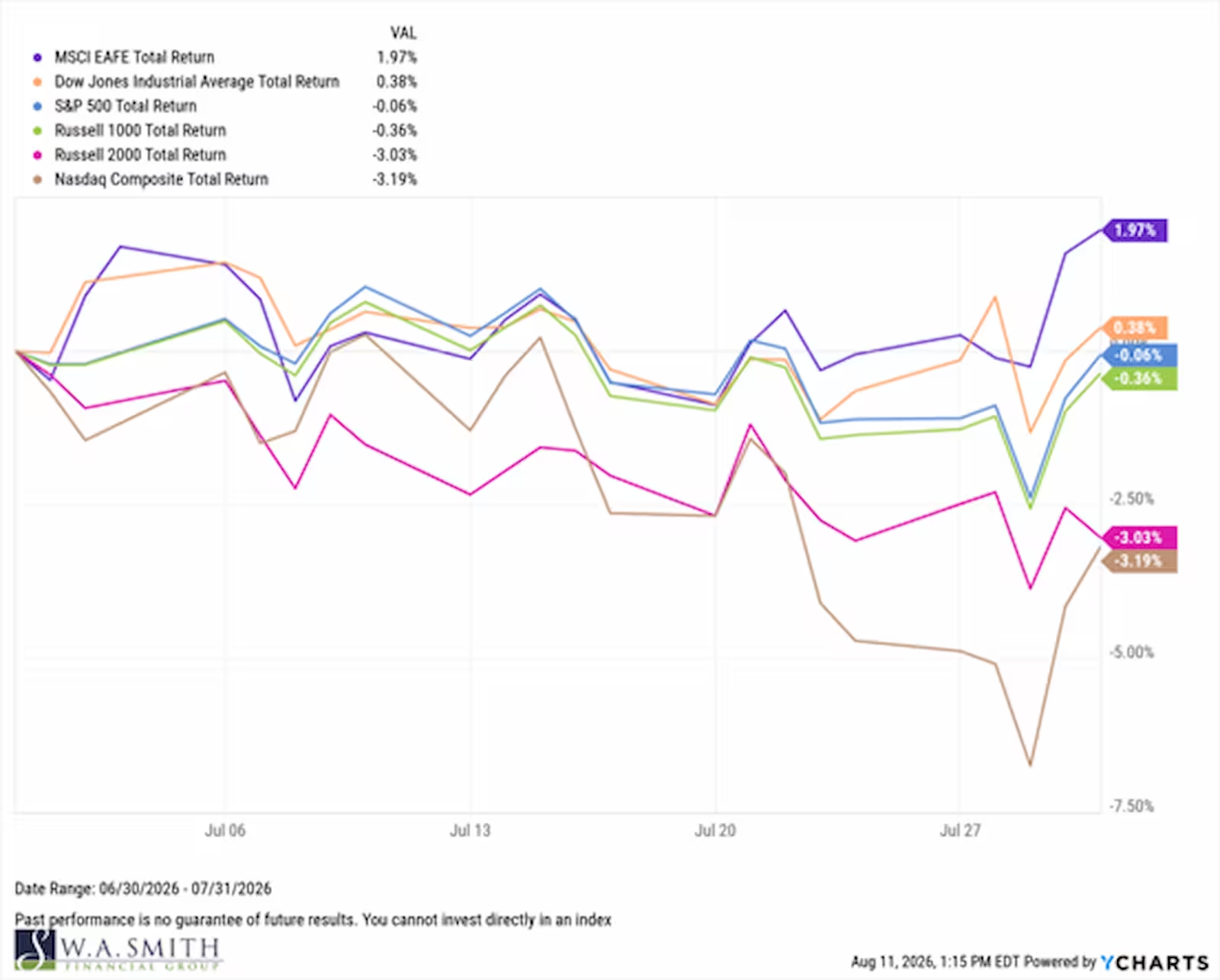
Major equity indexes finished the month mixed. International developed markets led, and the Dow posted a modest gain, while the S&P 500 and Russell 1000 were approximately flat. The Nasdaq Composite and Russell 2000 pulled back as investors took profits in technology shares and reassessed smaller companies facing higher borrowing costs.
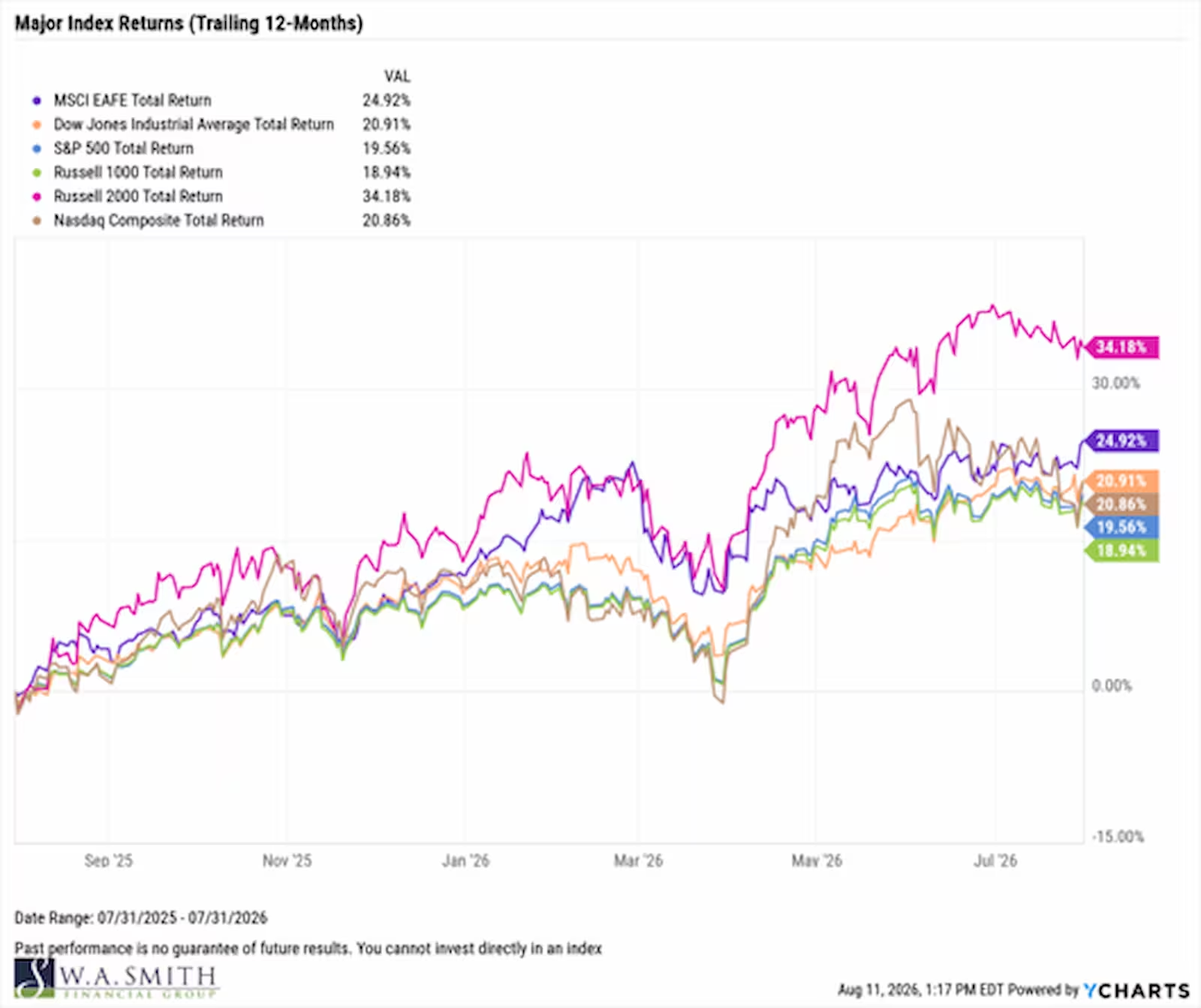
Every major index nevertheless remained positive over the trailing 12 months, supporting our view that July represented rotation and consolidation rather than a breakdown in the broader advance.
The shift was especially visible across styles and sectors. Large-cap value advanced, small-cap value was nearly unchanged, and both growth categories declined. Energy led July by a wide margin, followed by Financials and several defensive areas, while Technology experienced the sharpest pullback.
Yet Energy and Technology remained the two strongest sectors over the preceding year — an illustration of why diversified exposure is more dependable than following a single market leader.
Technology also became more differentiated. Microsoft and Amazon posted strong gains, Apple advanced more moderately, Meta and NVIDIA ended near flat, and Micron declined sharply.
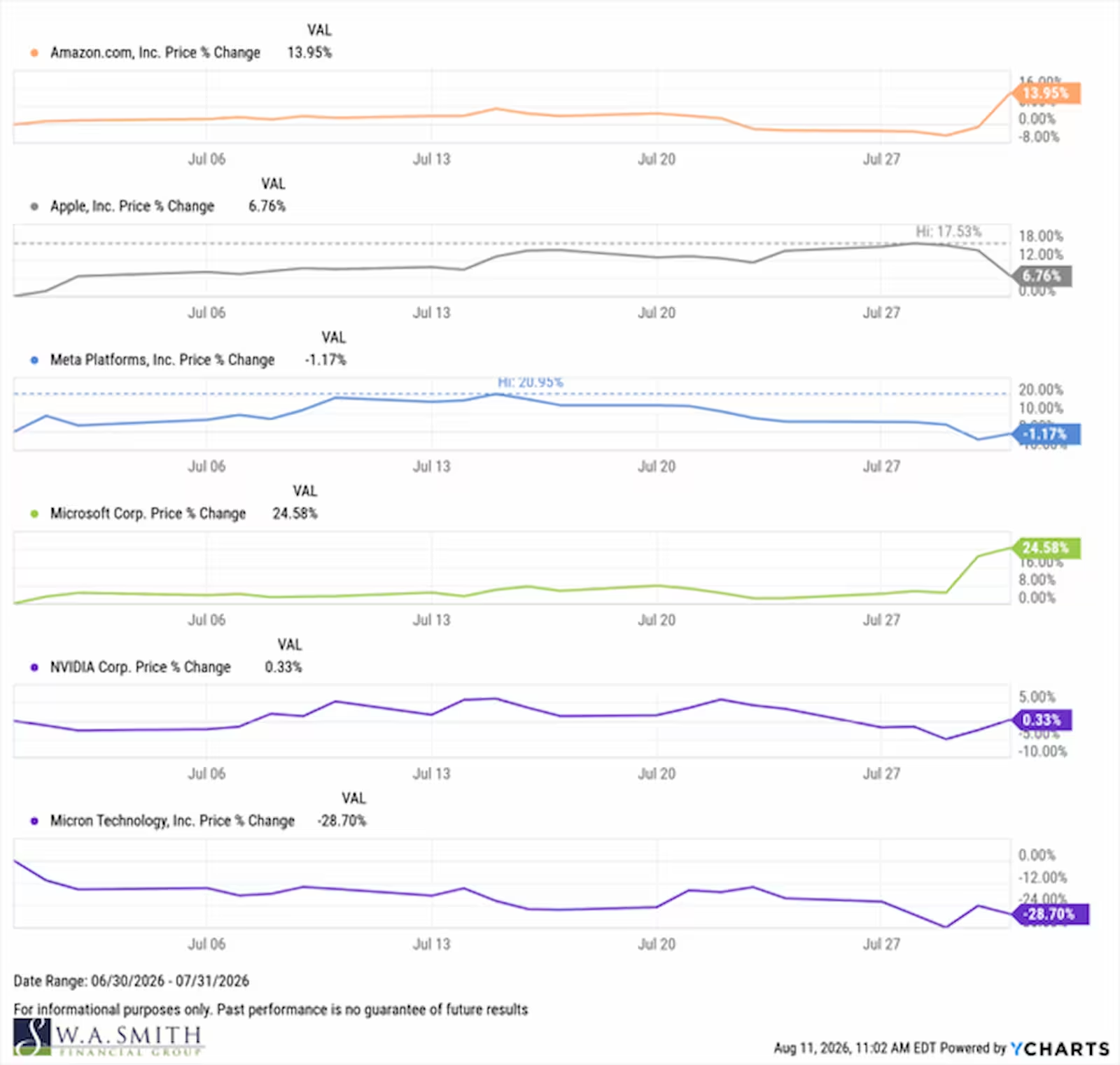
Artificial intelligence, software, cloud infrastructure, and semiconductors are not one uniform trade. We still view AI as an important multi-year opportunity, but July reinforced the need to distinguish durable earnings growth from expectations already embedded in elevated valuations.
Economic conditions also became more mixed. Unemployment remained relatively low at 4.1%, but payrolls declined (previous numbers were revised lower), and labor-force participation slipped to 61.4%.
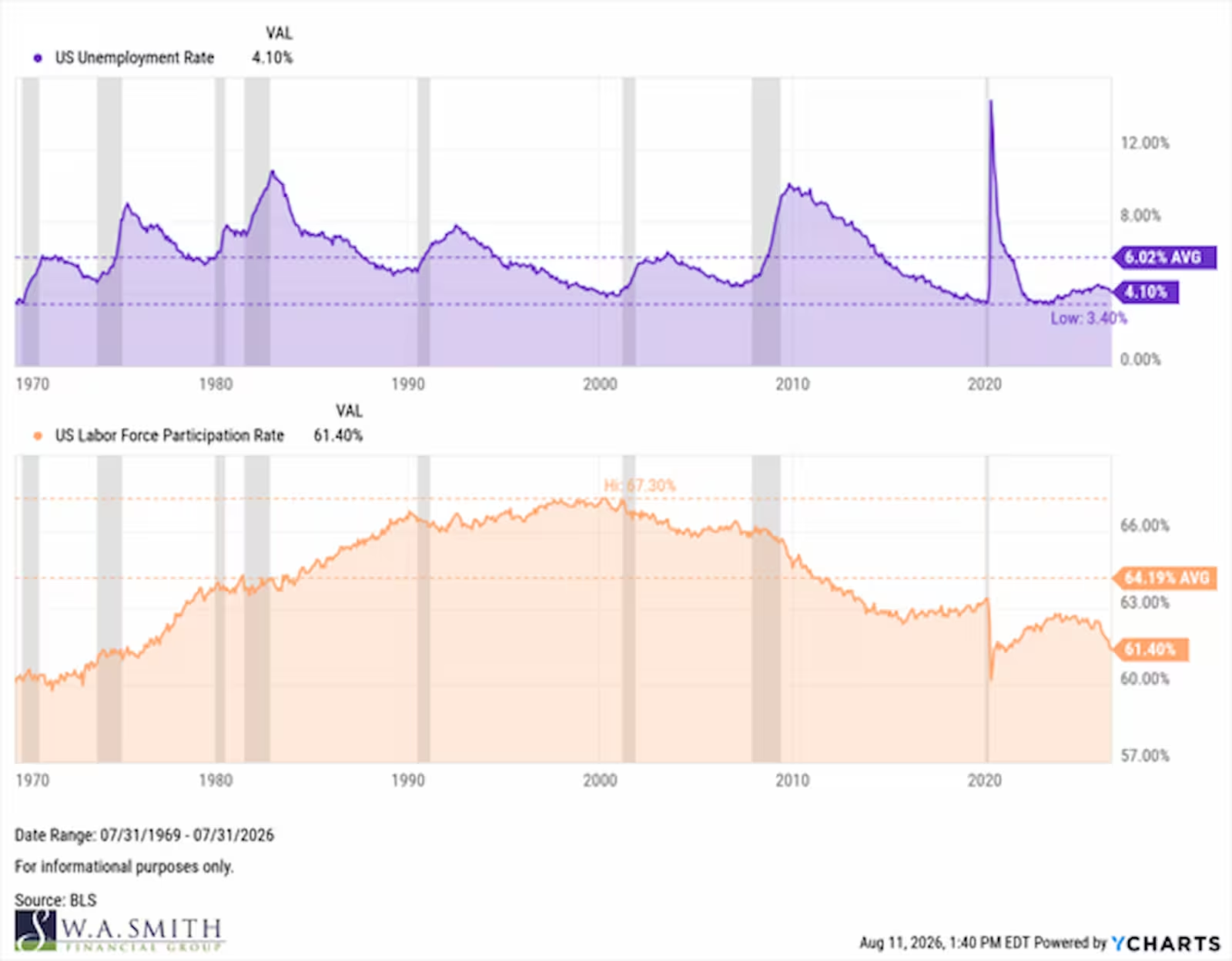
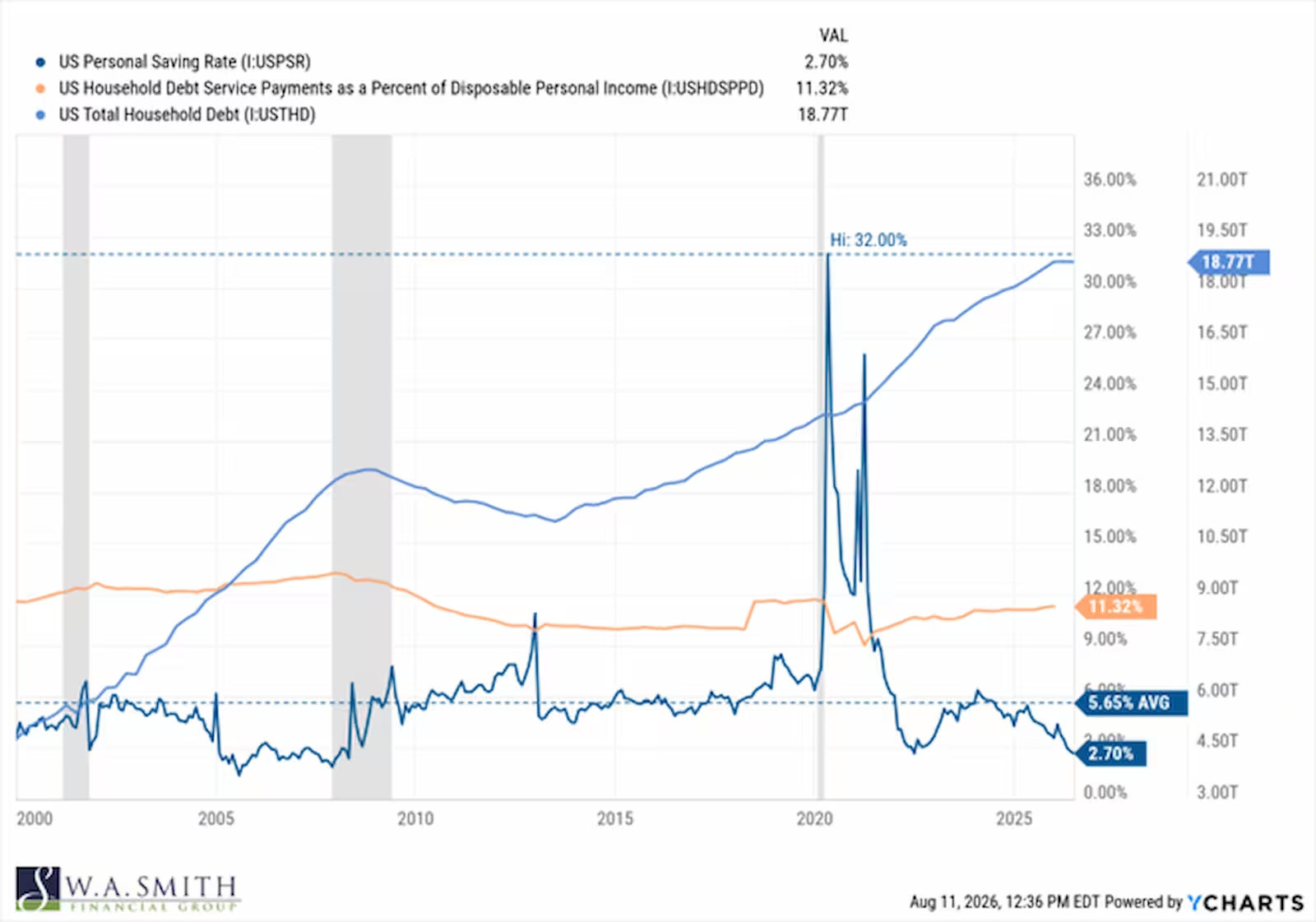
Real wages continued to support purchasing power, although softer hiring deserves attention. The 2.7% personal saving rate, approximately $18.8 trillion of household debt, and debt-service payments equal to 11.3% of disposable income leave consumers with less flexibility if employment or wage growth weakens further.
Inflation remains a central variable. Headline consumer inflation stood at 3.5% and core inflation at 2.6%, while producer-price and personal-consumption measures showed that progress remains uneven.
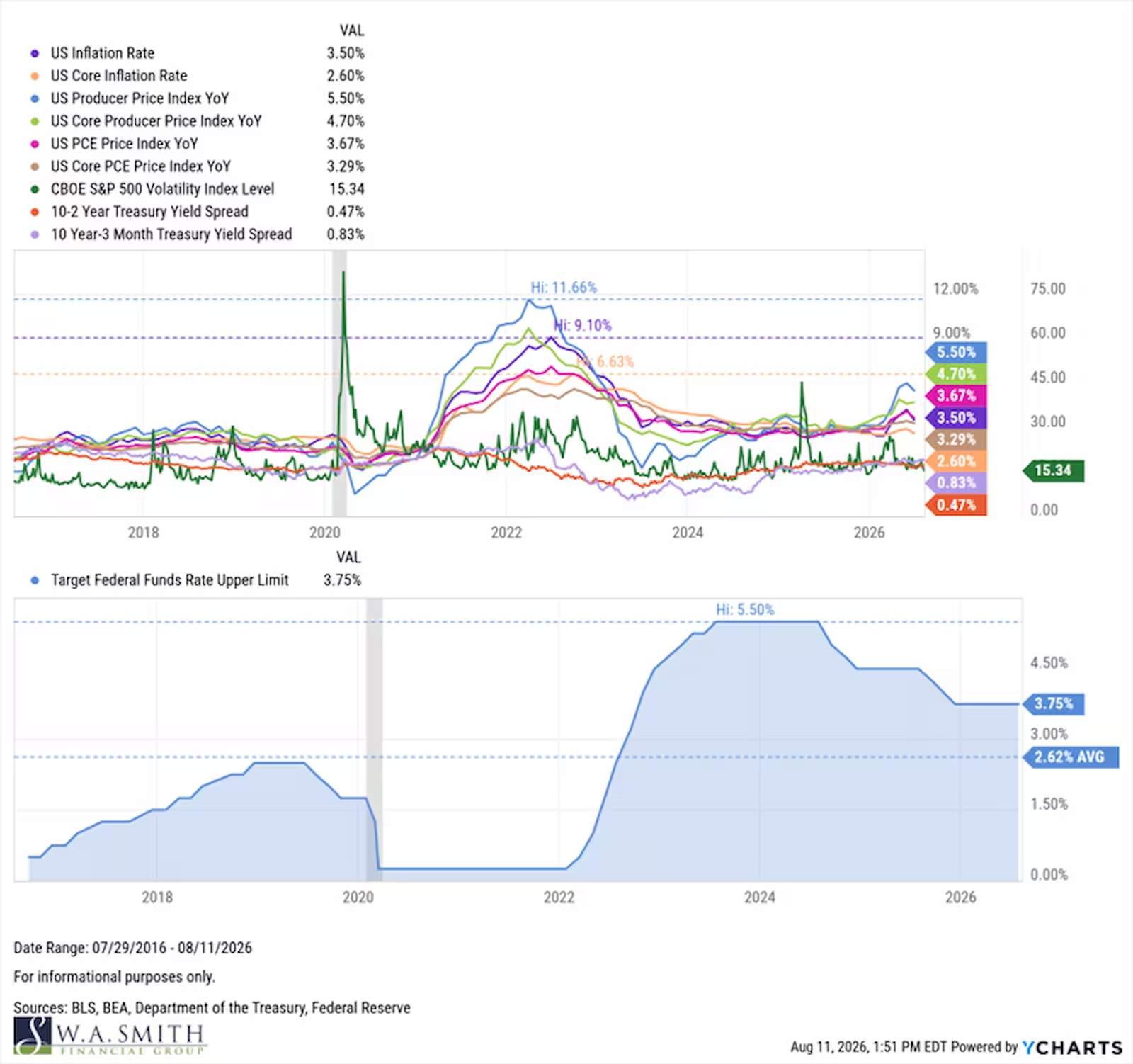
The Federal Reserve kept policy unchanged and maintained a data-dependent posture, balancing persistent price pressures against softer hiring and growth. Moving too quickly could allow inflation to reaccelerate; remaining restrictive too long could strain households and interest-sensitive industries.
Treasury markets reflected this tension. Short-term yields were comparatively stable, but the 10-year reached 4.75% and the 20- and 30-year moved above 5.25%, creating a more positively sloped curve.
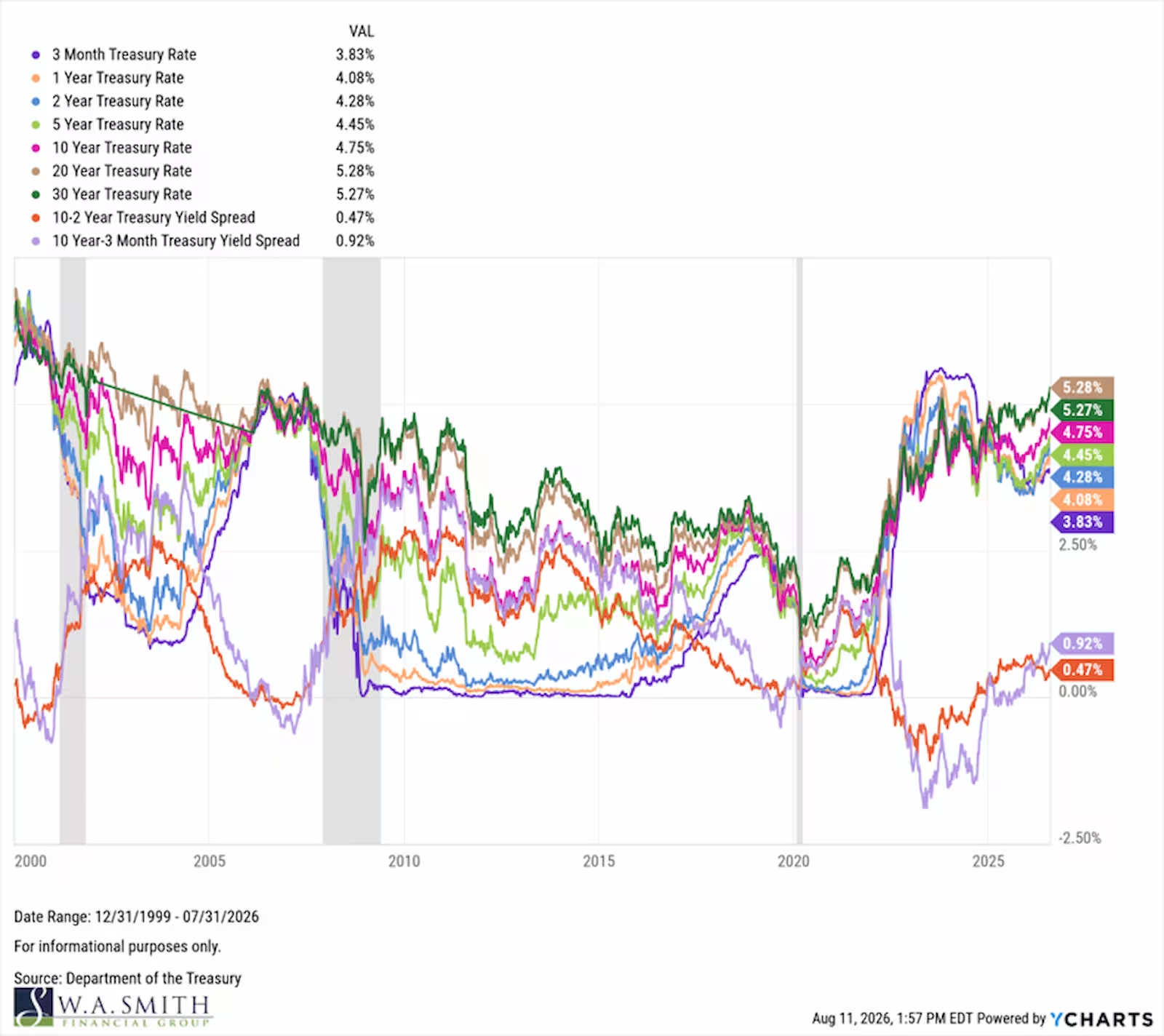
The steepening came mainly from higher long-term yields amid inflation, heavy issuance, and fiscal concerns — not aggressive expectations for Federal Reserve easing. Starting yields offer attractive income potential, while high-quality intermediate maturities may balance income with potential appreciation if rates eventually moderate.
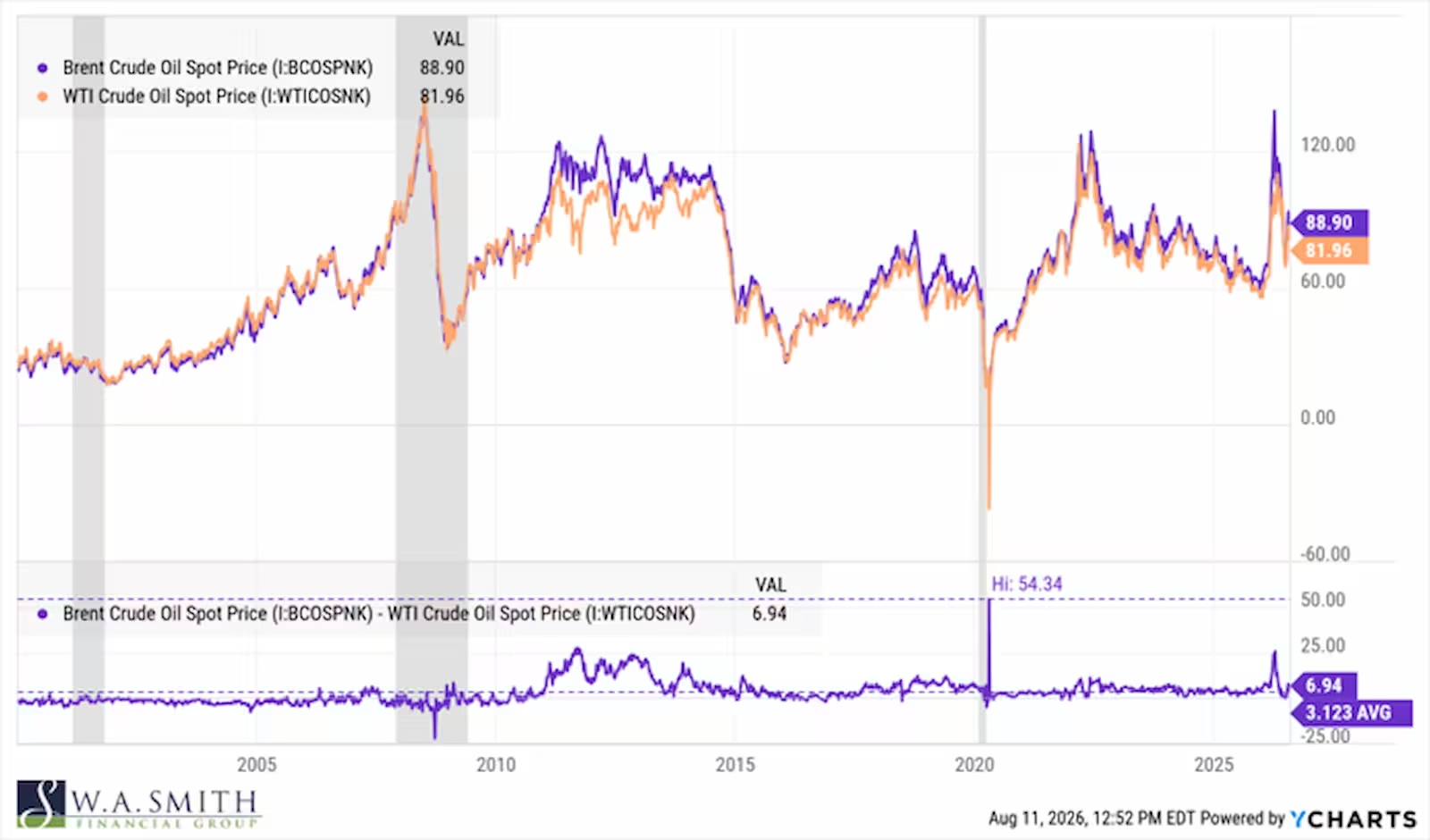
Geopolitical and energy developments remained central. Conflict involving Iran and disruption around the Strait of Hormuz contributed to volatile crude prices and a coordinated release of emergency reserves.
US strategic inventories remain well below pre-2022 levels, reducing the cushion against further outages. Brent's premium to landlocked WTI reflected the seaborne benchmark's sensitivity to international supply routes; a widening spread may signal global stress, although transportation, inventories, refinery demand, and crude quality also matter.
International capital flows added complexity throughout the month. Japan intervened to support the yen as its reported Treasury holdings declined, and US–Japan coordination sought to address disorderly currency moves.
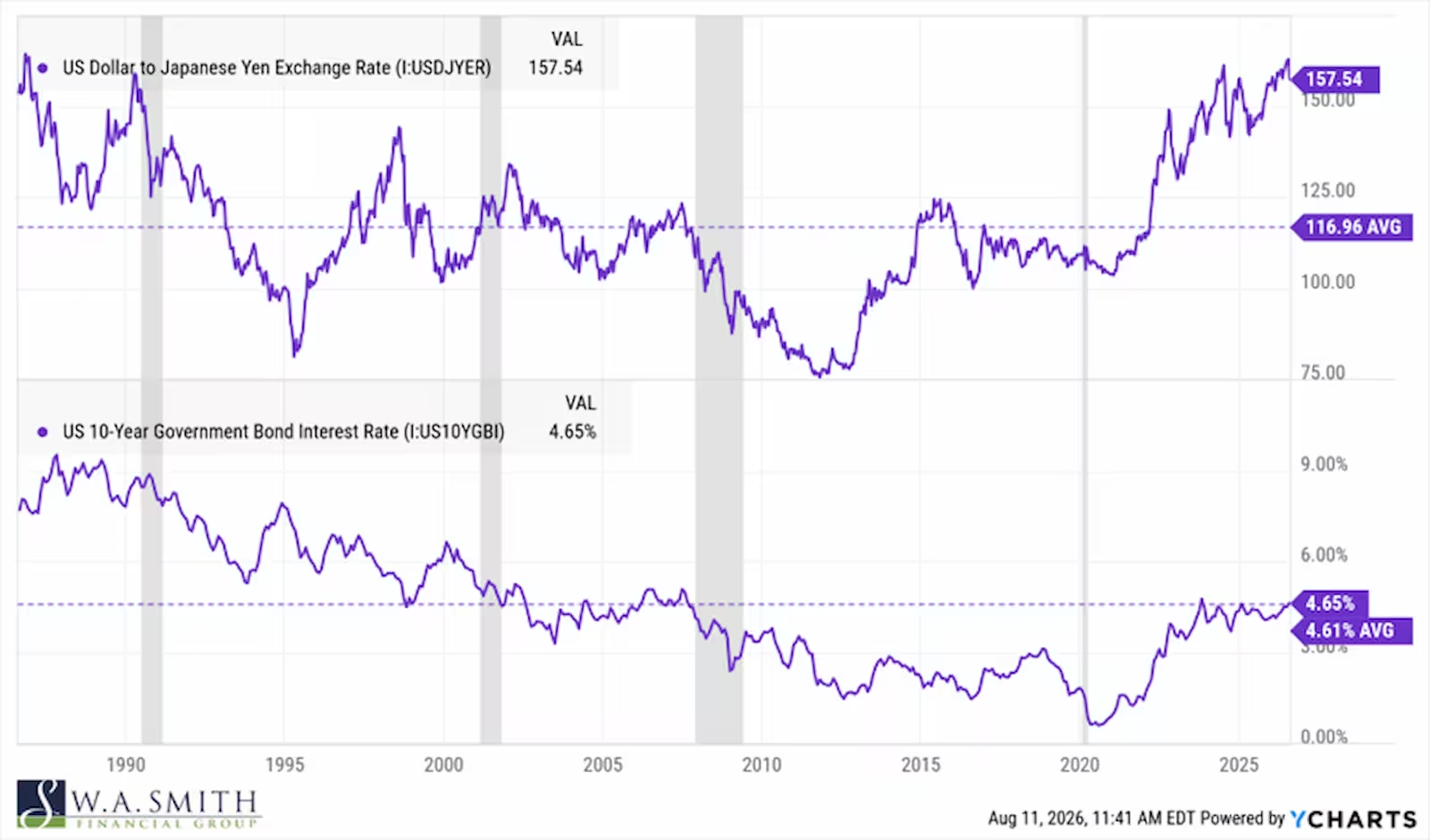
Continued selling by a major foreign holder could add upward pressure to Treasury yields, mortgages, and corporate borrowing costs, although Federal Reserve policy, inflation, issuance, and demand from other investors remain larger drivers.
As we move through the third quarter, our Investment Committee continues to evaluate risks and opportunities through our disciplined 5-step due diligence process. July reinforced the importance of durable competitive advantages, healthy balance sheets, consistent cash flow, and capable management teams.
Leadership will evolve, and volatility should be expected, but our commitment to thoughtful security selection, diversification, and research-driven portfolio construction remains unchanged.
As we have said many times before, our primary objective is to provide you with Financial Peace of Mind.
Market movements, interest-rate changes, and geopolitical headlines will always be part of investing, but discipline during uncertainty has historically been important to long-term success. Our goal is to help you remain informed and confident in your financial plan. We hope that you are enjoying your summer and look forward to seeing you again soon.