Economic Update | May 15, 2026
Hosted by Andrew Toccaceli, RICP®, MRFC® and Coley Neel, CFA® | W.A. Smith Financial Group


Get a clear look at what you’re paying and how much risk you’re taking. This complimentary review helps identify your portfolio’s costs, risk exposure, and opportunities to better align your investments with your goals — all with no obligation.
Get Started
Thank you to everyone who joined us for our Q2 2026 Lunch & Learn. We covered a range of timely topics, from company updates and market conditions to technology tips, scam awareness, and practical ways to use AI in everyday life.
If you were unable to attend, or would like a refresher, here is a summary of what we discussed.
We opened the session with updates on upcoming events, educational resources, and ways clients can continue to stay involved throughout the year.
Our next Lunch & Learn is scheduled for Wednesday, July 22, 2026, in the Sheffield Village area. If there is an educational topic you would like us to cover in a future session, we welcome your input. You can share ideas by reaching out to Maddie at Maddie@WASmithFinancial.com.
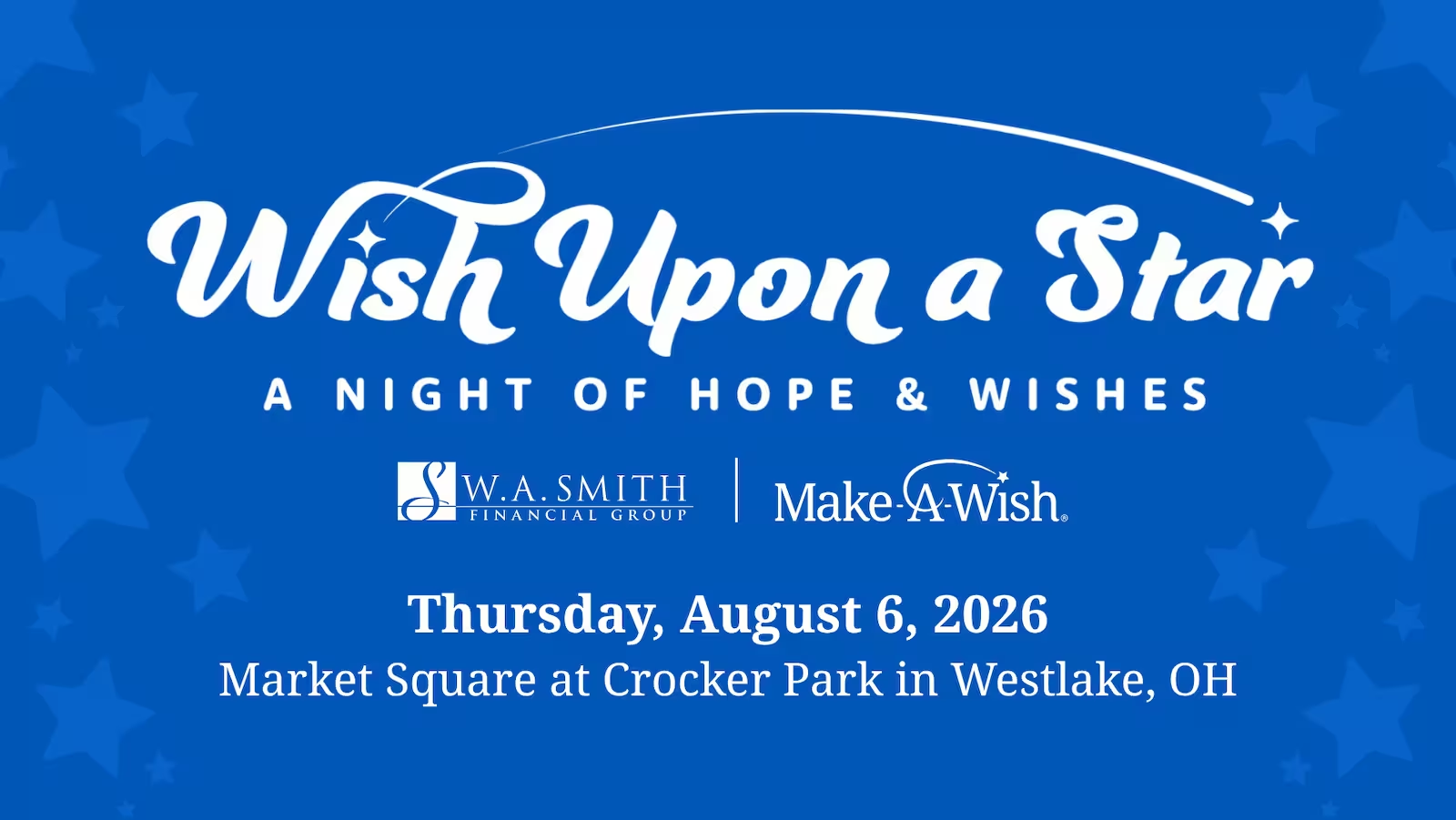
We also shared a save-the-date for Thursday, August 6, 2026, for our annual Wish Upon a Star: A Night of Hope & Wishes event.
This year’s event will be held at Market Square at Crocker Park in Westlake, Ohio. More details will be shared as the event approaches.

We highlighted a recent webinar titled “A New Approach to Long-Term Care Planning.” This session focused on alternative strategies beyond traditional long-term care insurance.
Topics included:
If you missed the webinar and would like access, you can watch the recording here.
We also encouraged clients to listen to our latest Economic Update recording, “From Market Shock to Recovery: What’s Driving Markets in 2026?”
In this update, Andrew Toccaceli, RICP®, MRFC®, and Coley Neel, CFA®, discuss the volatile start to 2026, including the geopolitical-driven market selloff, the rapid rebound that followed, rising energy prices, inflation pressures, shifting mega-cap tech leadership, and the Fed’s current “wait and see” approach.
The recording provides a more detailed recap of the first quarter and a closer look at how diversification, earnings strength, and disciplined portfolio construction are shaping our outlook for the rest of the year.
Listen to the Economic Update:
From Market Shock to Recovery: What’s Driving Markets in 2026?

The economic update focused on what happened during the first quarter of 2026 and the major factors that may influence markets as the year continues.
The discussion included a look back at the first quarter of the year, including market performance and the factors that contributed to recent volatility.
We also addressed the role of geopolitical developments, noting their potential impact on inflation and broader market sentiment.
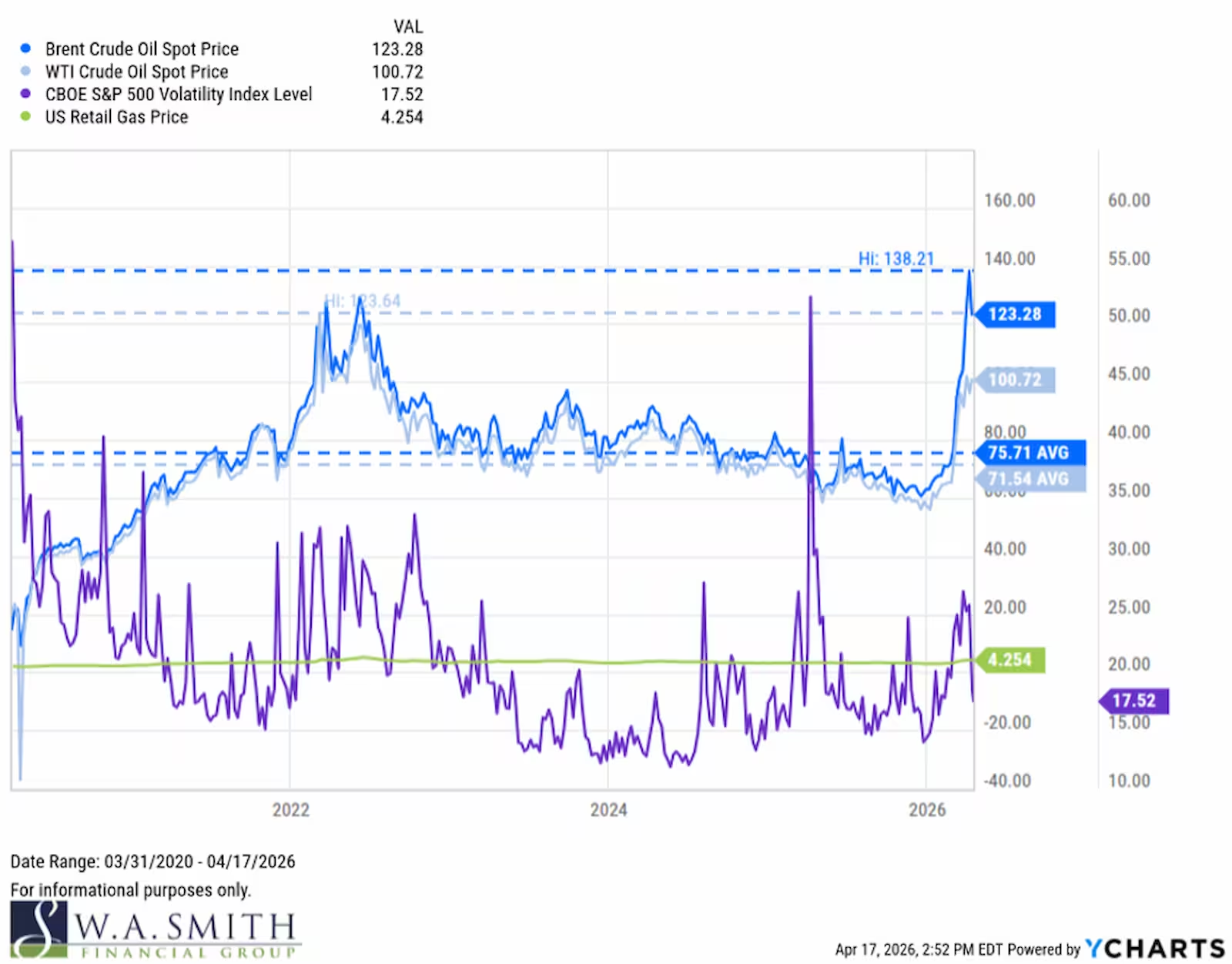
We reviewed potential actions from the Federal Open Market Committee (FOMC) and how interest rate decisions may influence both markets and economic activity in the months ahead.
The conversation also covered the corporate earnings outlook for the first quarter of 2026, and how earnings trends can influence market direction over time.
As always, the emphasis remains on maintaining a disciplined, long-term approach, even as short-term conditions evolve.
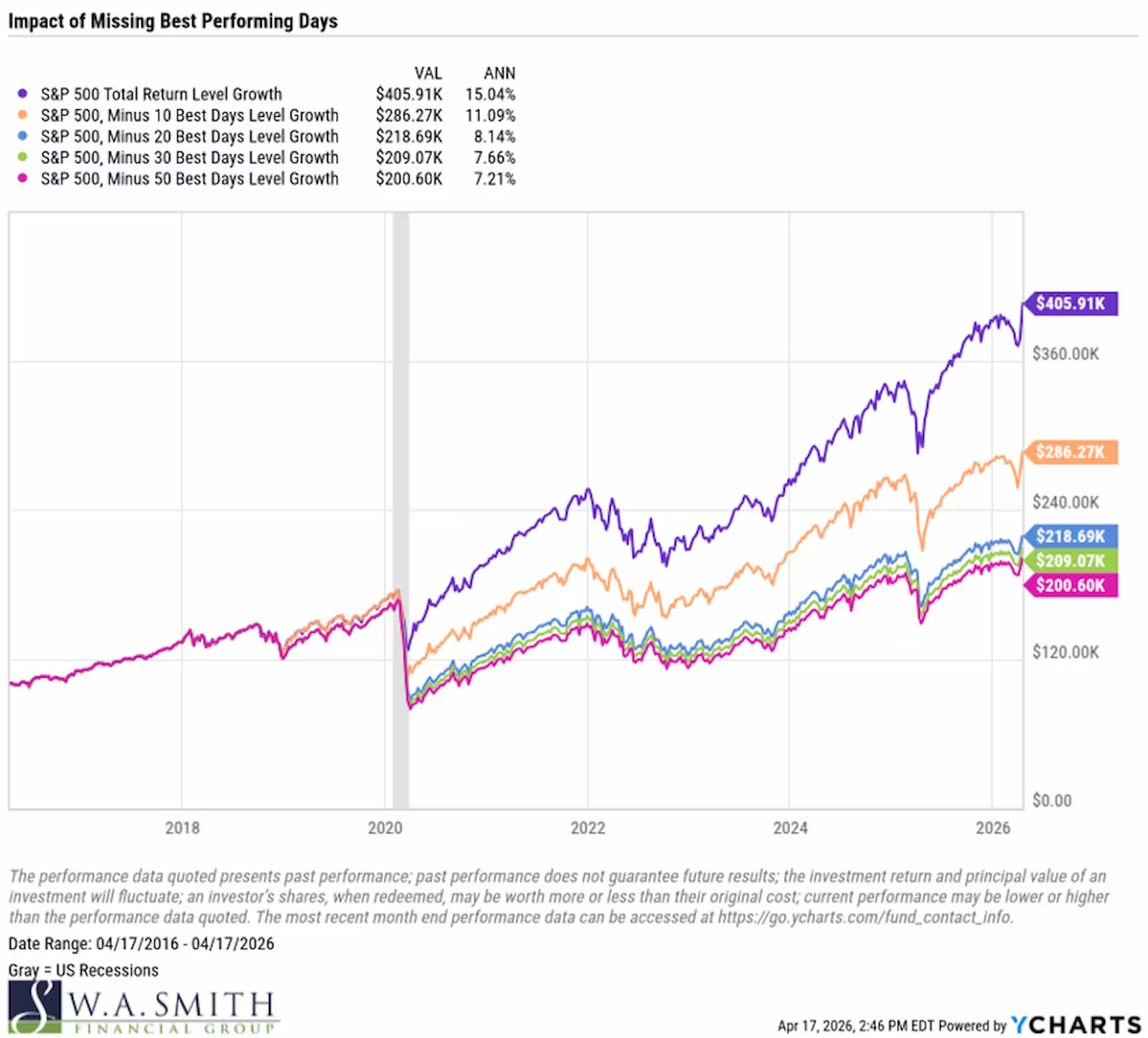

A significant portion of the session focused on technology safety, scam awareness, and the importance of staying cautious as fraud tactics become more sophisticated.
We reviewed several scam tactics that continue to target older adults, retirees, and everyday consumers. These included:
The common thread across many of these scams is urgency. Fraudsters often try to create fear, confusion, or pressure so someone acts quickly without verifying the request.
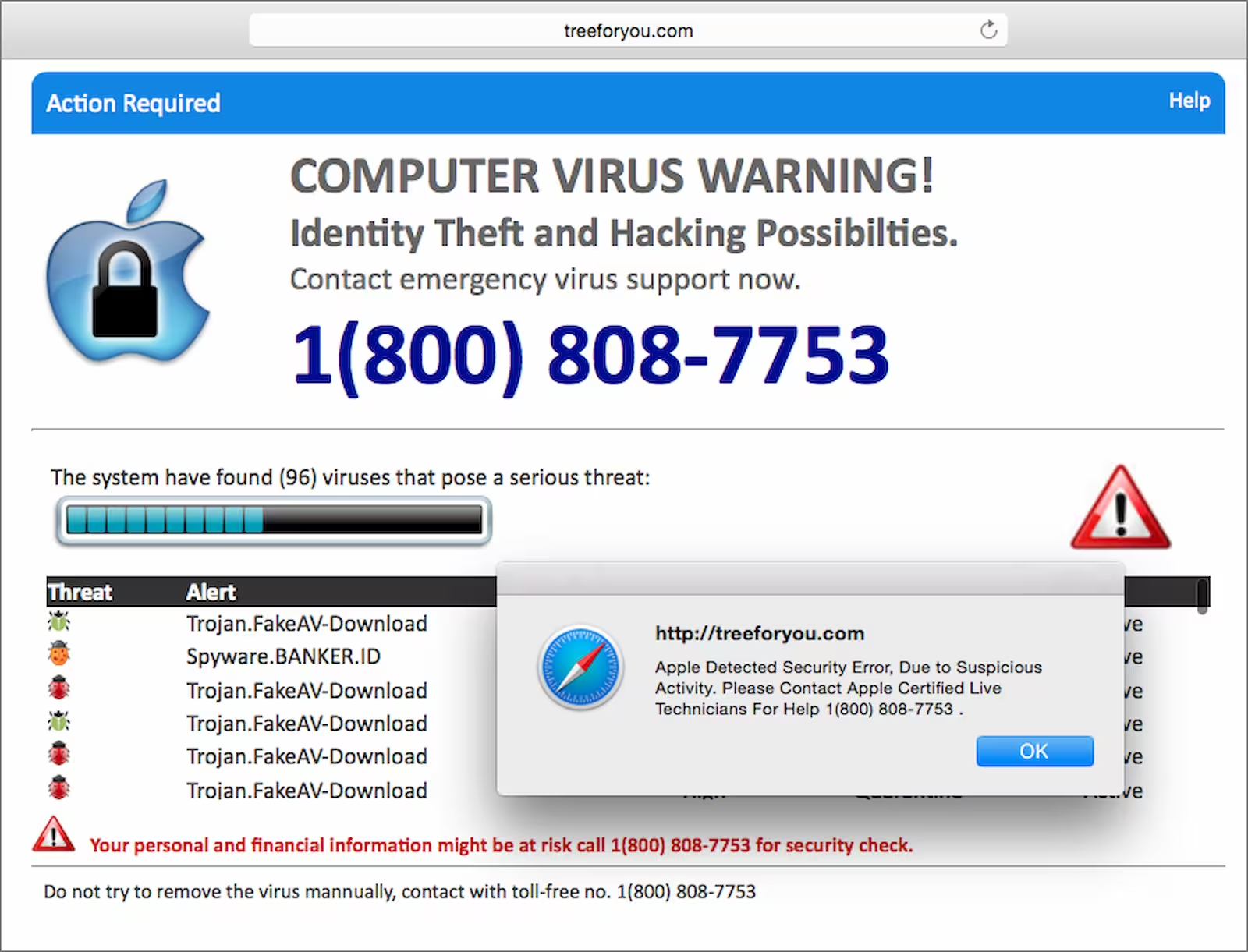
One example discussed was tech support scams, where fraudsters pose as legitimate support representatives and claim that a device has been compromised.
In many cases, individuals are prompted by a pop-up message and instructed to call a number, where they are then asked to grant remote access or provide payment.
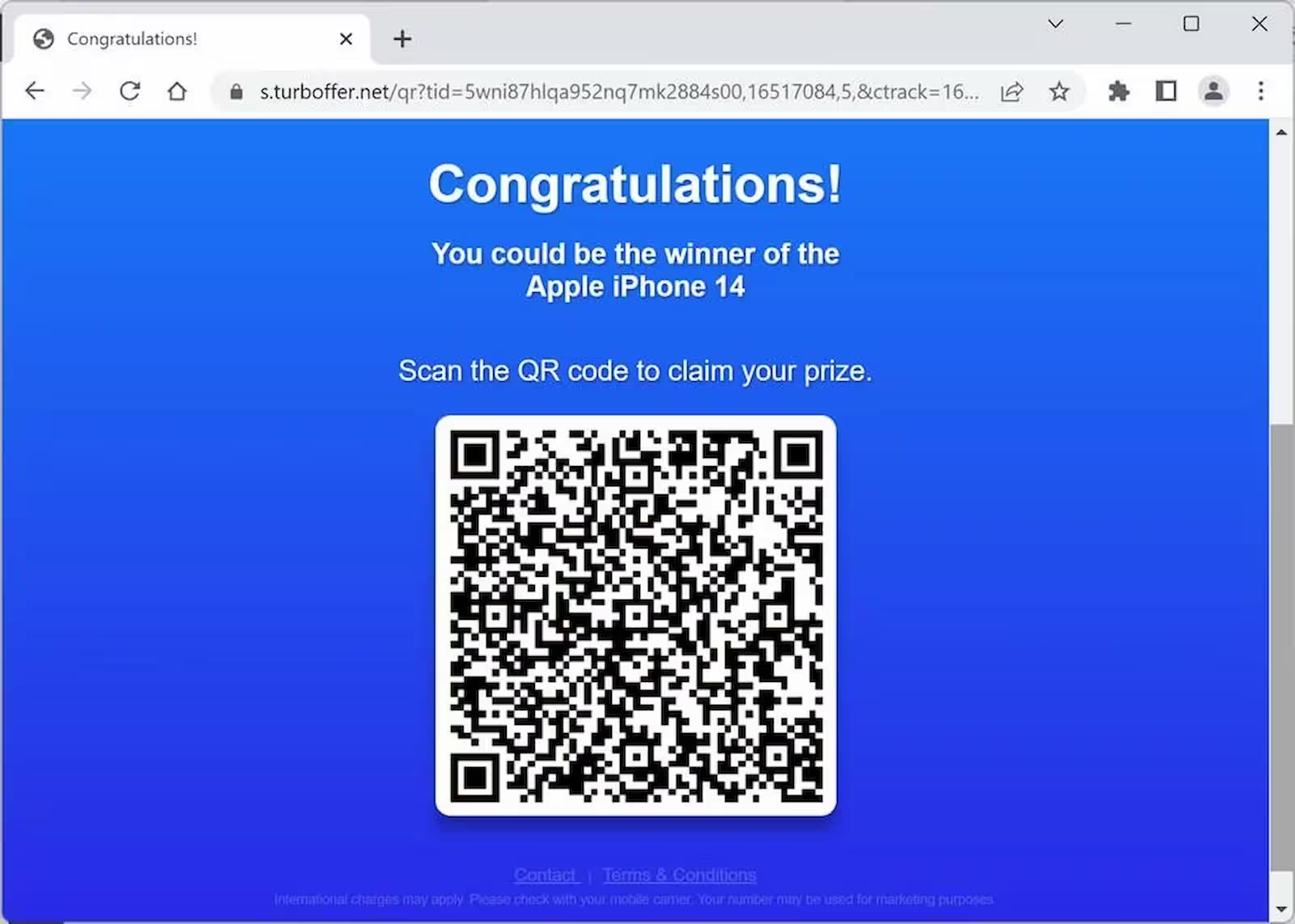
We also discussed QR code scams, where malicious codes redirect users to fraudulent websites designed to capture personal or financial information.
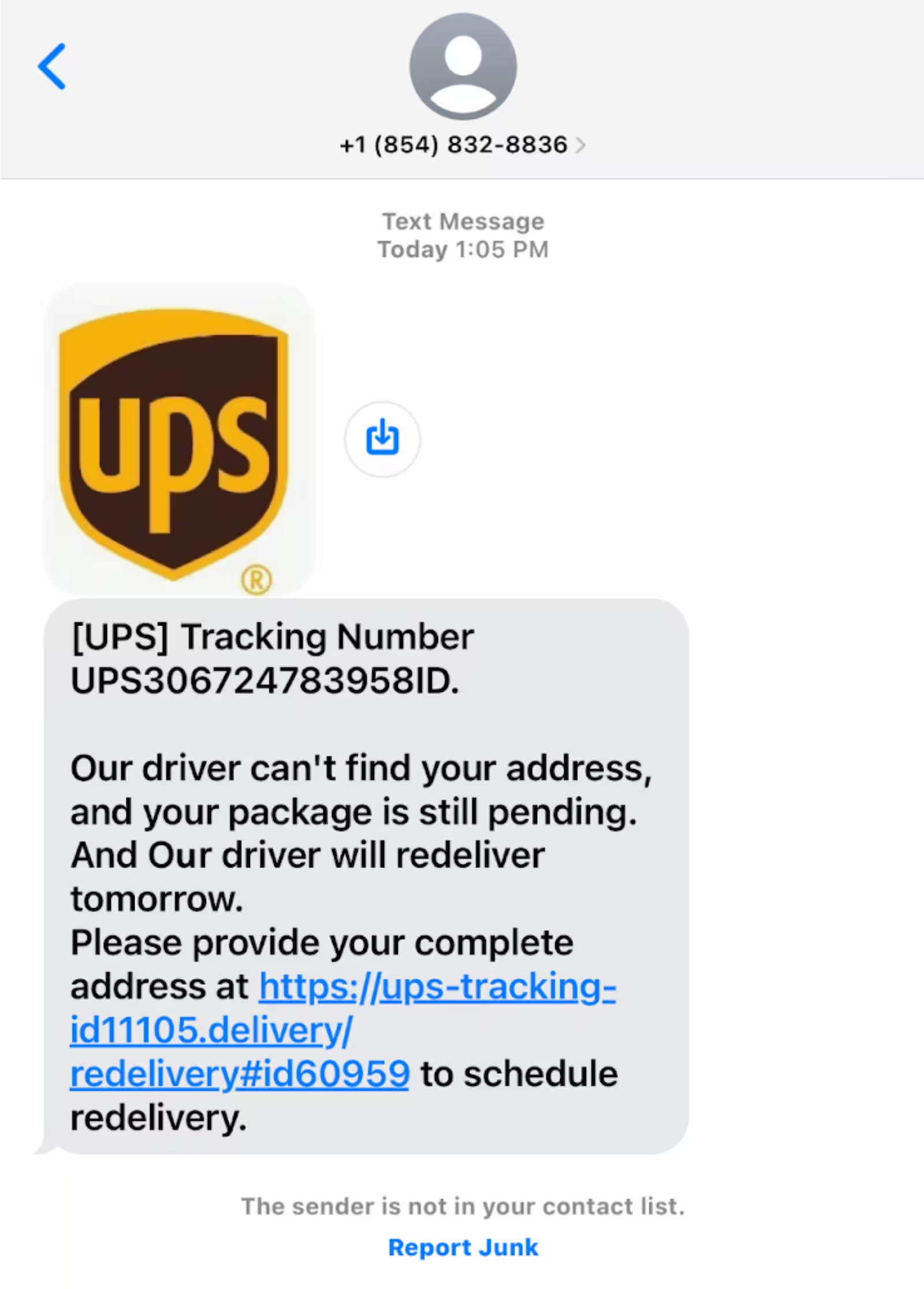
Another common tactic is smishing, where fraudulent text messages attempt to create urgency and prompt users to click harmful links.
The key takeaway is that awareness and caution are essential when interacting with unfamiliar communications or requests.
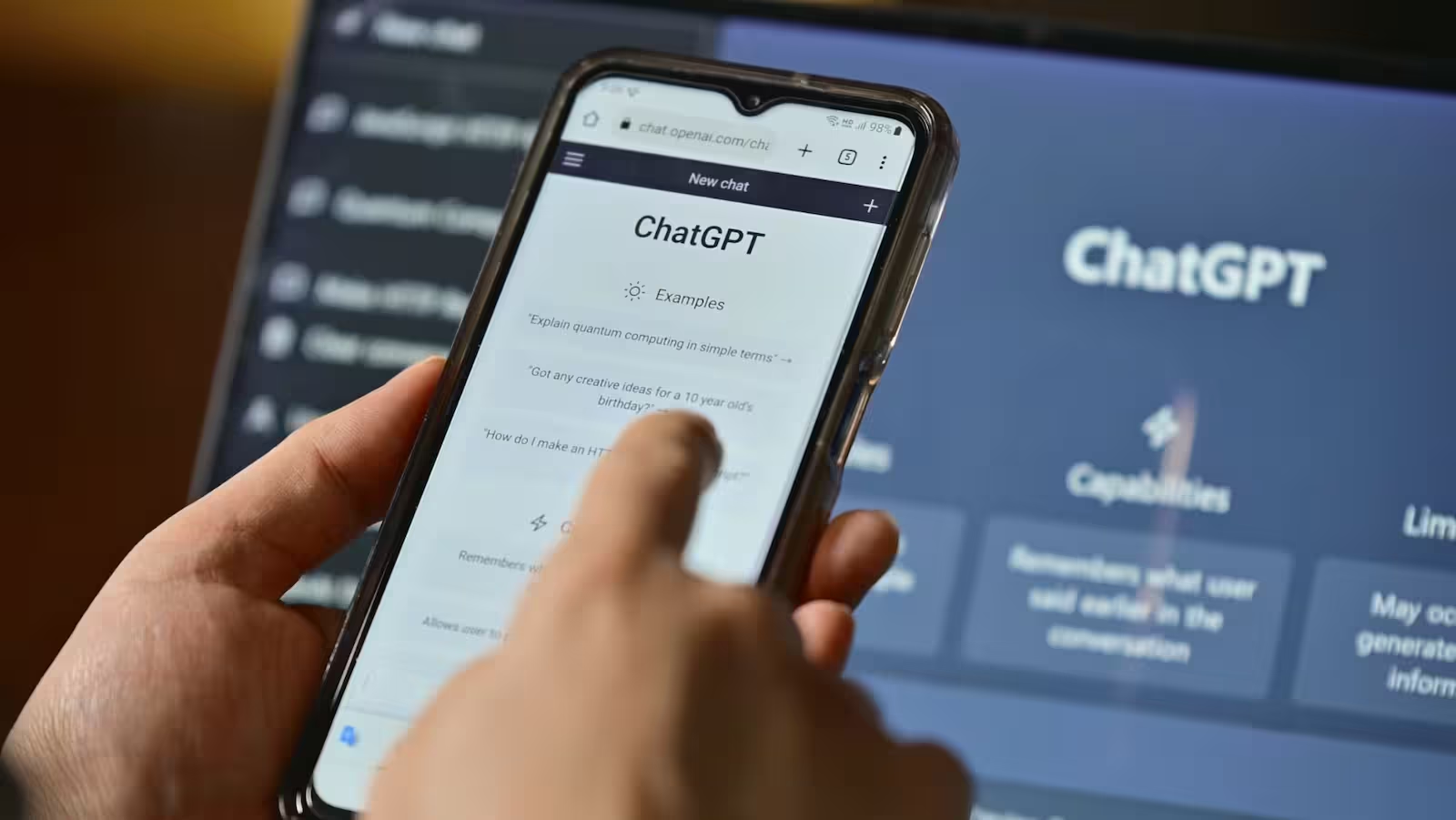
We also discussed how AI tools can be used in practical, low-risk ways to help with everyday questions, planning, and communication.
AI can help organize ideas, build itineraries, or simplify research. For example, someone could ask for help planning a three-day trip to Charleston or finding well-rated restaurants near Naples, Florida.
AI can also help answer basic technology questions, such as how to block a phone number, why a phone battery may be draining quickly, or how to adjust settings on a device.
Another practical use is writing support. AI can help draft a birthday message to a grandchild, respond politely to an email, or organize thoughts before sending a note.
The key is to use AI as a helpful tool, not as a replacement for judgment. Avoid entering sensitive personal or financial information into public AI tools, and always review the output before relying on it.
If any of the topics discussed here raised questions or sparked new ideas, our team is happy to help. Whether you attended the event or are reviewing this recap for the first time, your advisor can walk through how these topics may relate to your personal situation.
You are always welcome to reach out to schedule a conversation or connect with our office for additional guidance.